Create Music Bingo Cards with iText
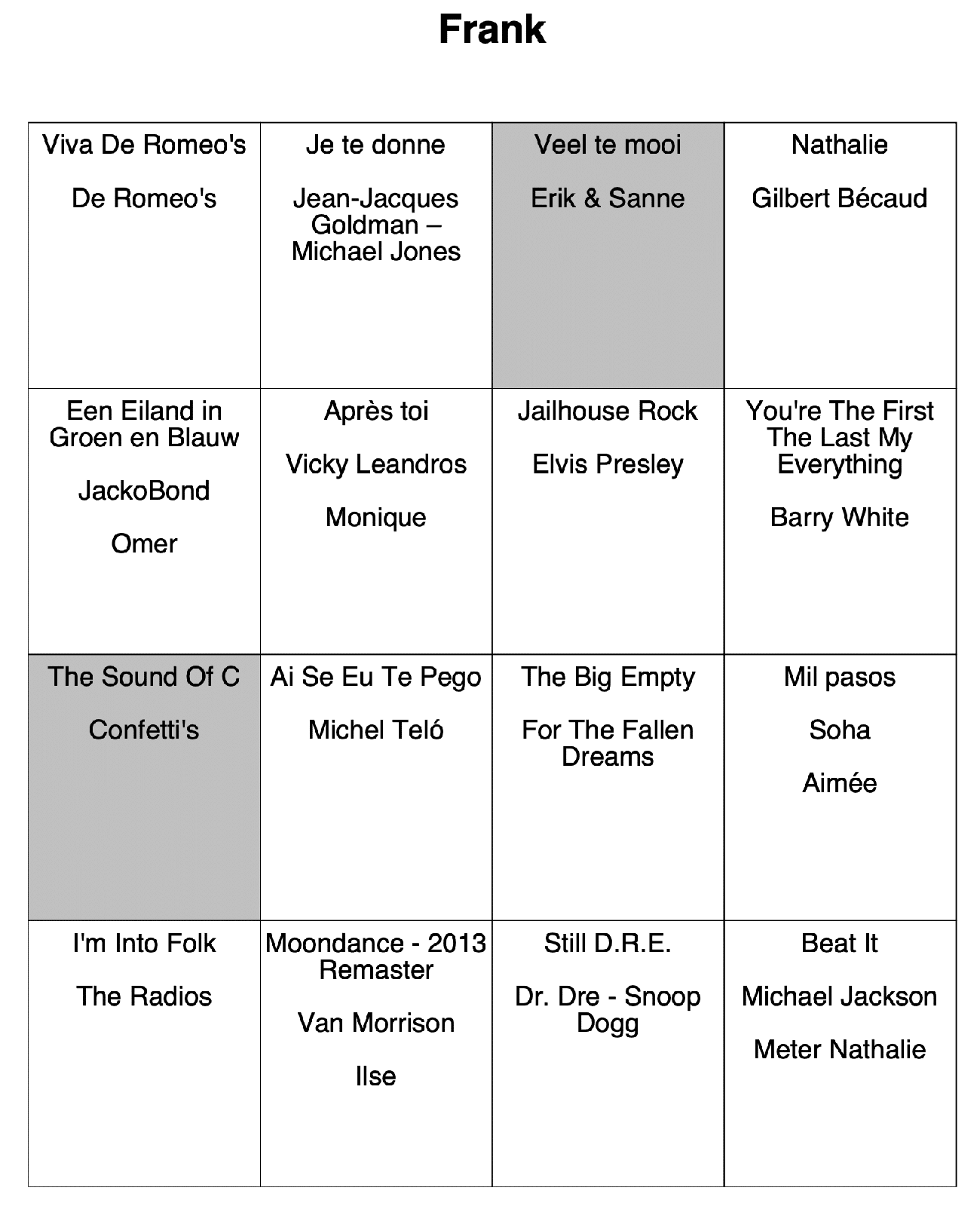
This weekend we had a party and wanted to organize a music bingo. A small Java project seemed to be the best solution!

This weekend we had a party and wanted to organize a music bingo. A small Java project seemed to be the best solution!

 2,623 views
If you want to add an event to our calendar or advertize your event on Foojay.io, you can follow the following steps!
 15,655 views
The complete guide to publishing your article on Foojay.io: prepare a content folder from the template, add your images, and submit it by …
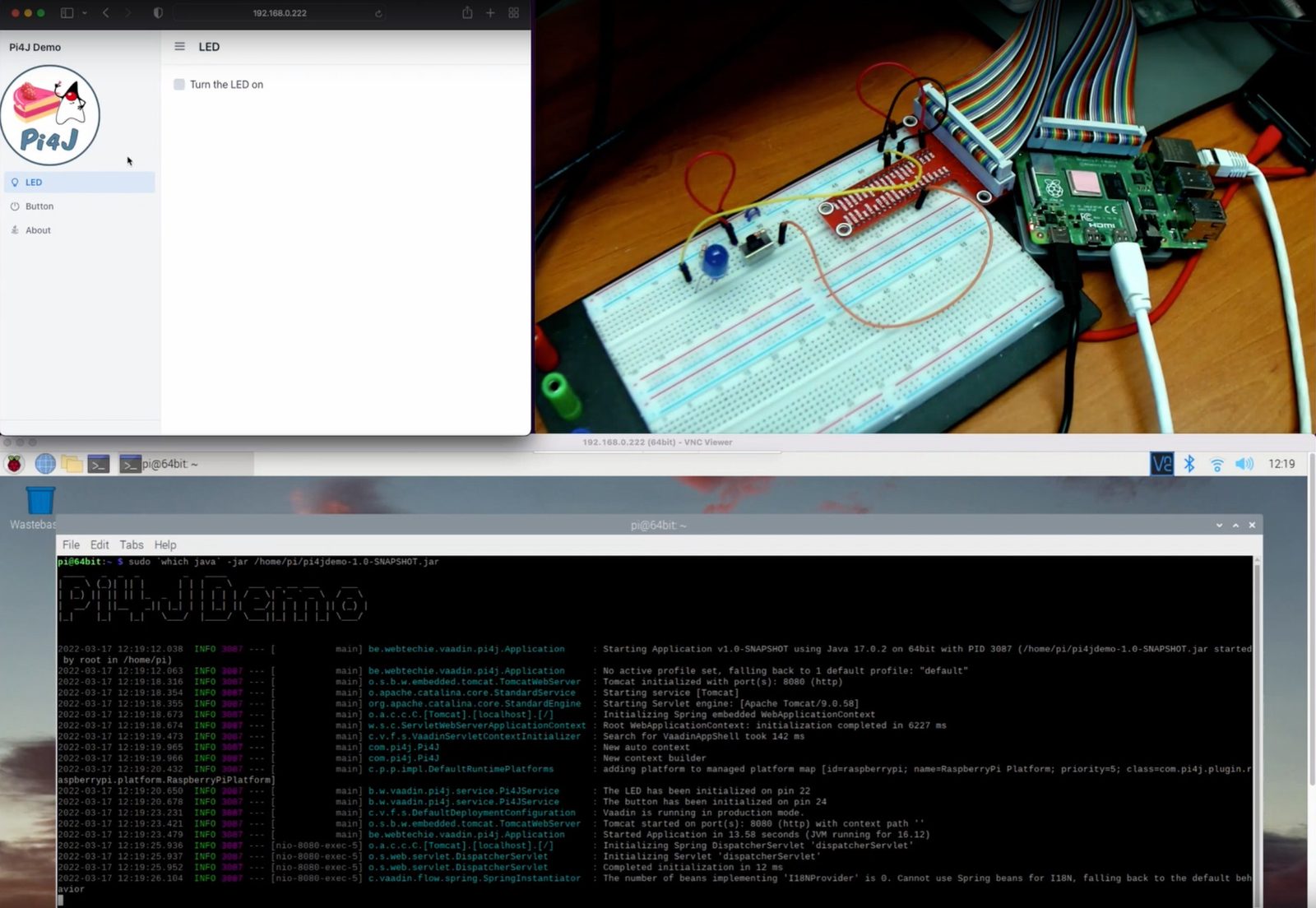
Thanks to Vaadin, you can get a fully running application with a few clicks. And Adding GPIO-interaction is easy with the Pi4J library.
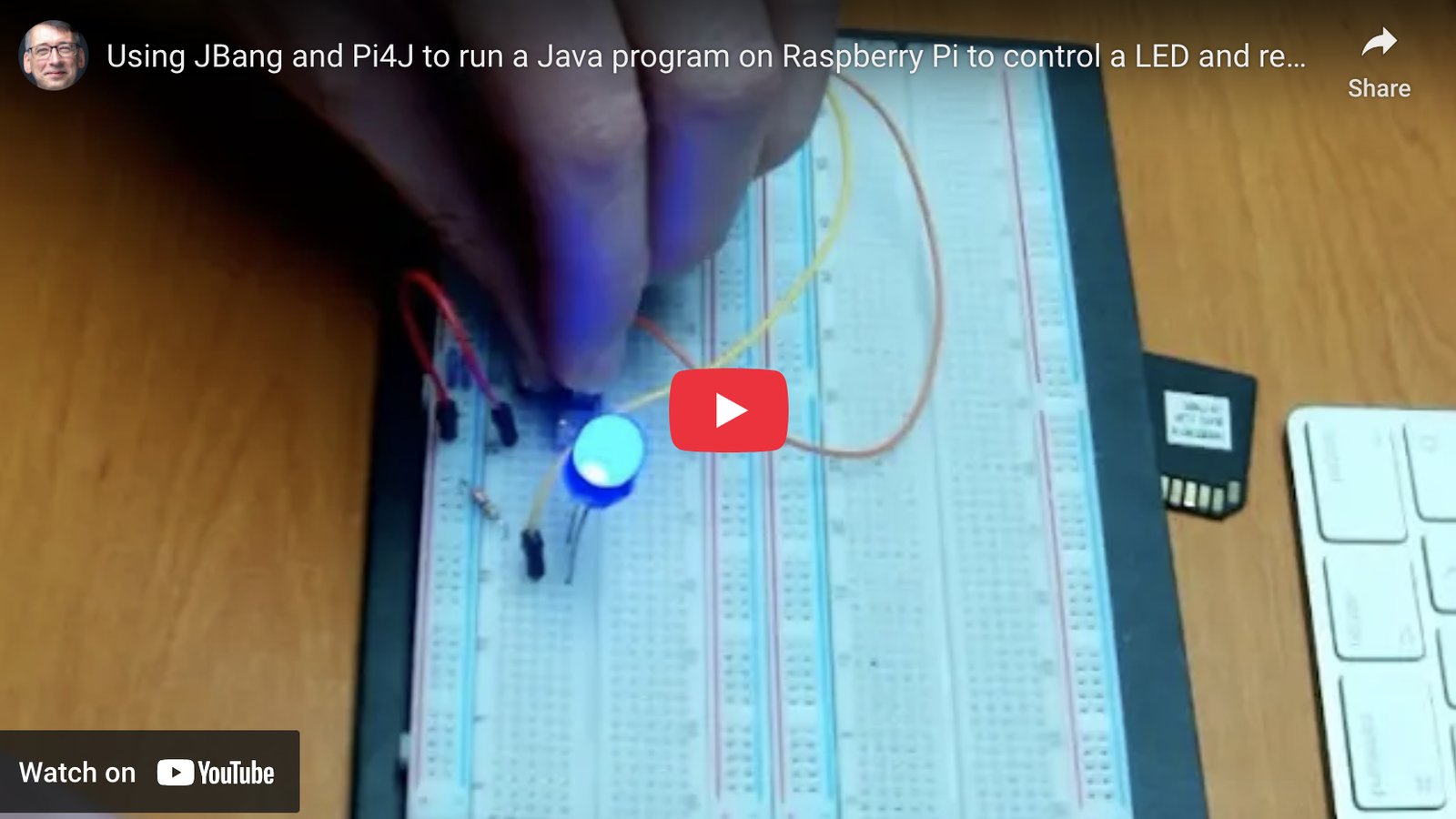
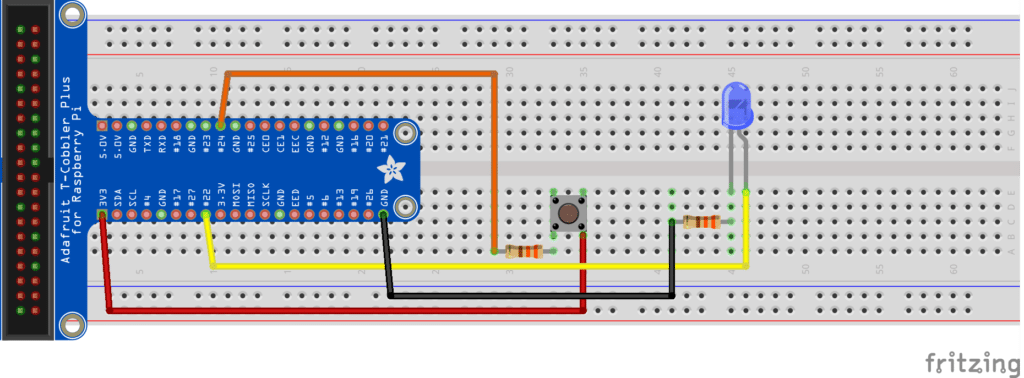
JBang is a great way to create your first program to control electronic components connected to the Raspberry Pi's GPIO pins.
Java on Raspberry Pi has always been possible, but SDKMAN makes the getting-started process a lot easier. It's as easy as pi...
How to use the same architecture to implement a JavaFX-based GUI, a PUI attached to a Raspberry Pi, and integrate in a clean, modular way.
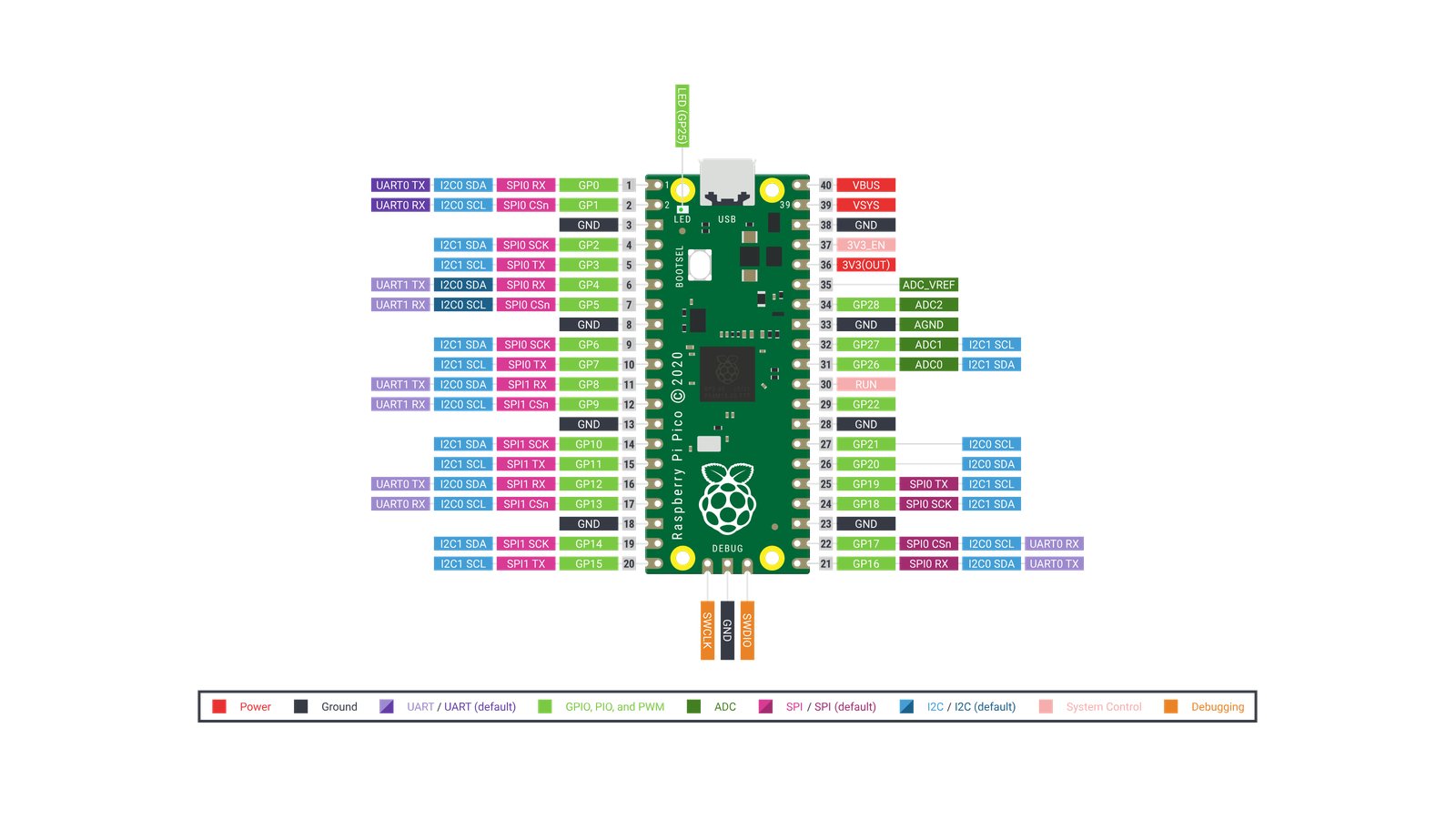
Let's learn about adding some more data to our messaging system with another member of the Raspberry Pi family: the Pico.
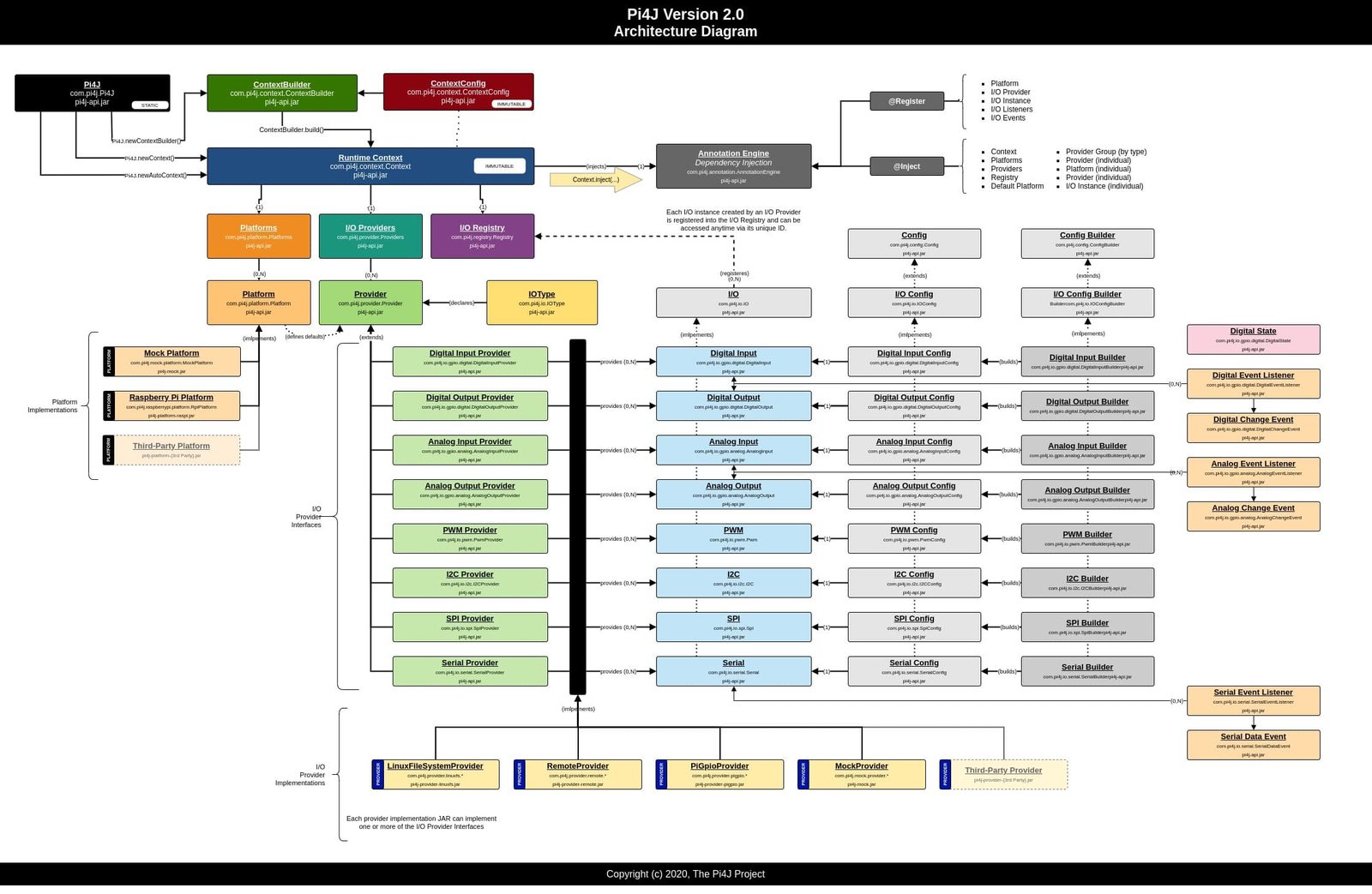
Java modules have been a big discussion point before in many places. And this is now also causing some headaches in the Pi4J project...
In the 2nd part of the series, learn how to use MQTT and the Raspberry Pi to visualize sensor data on a TilesFX dashboard!