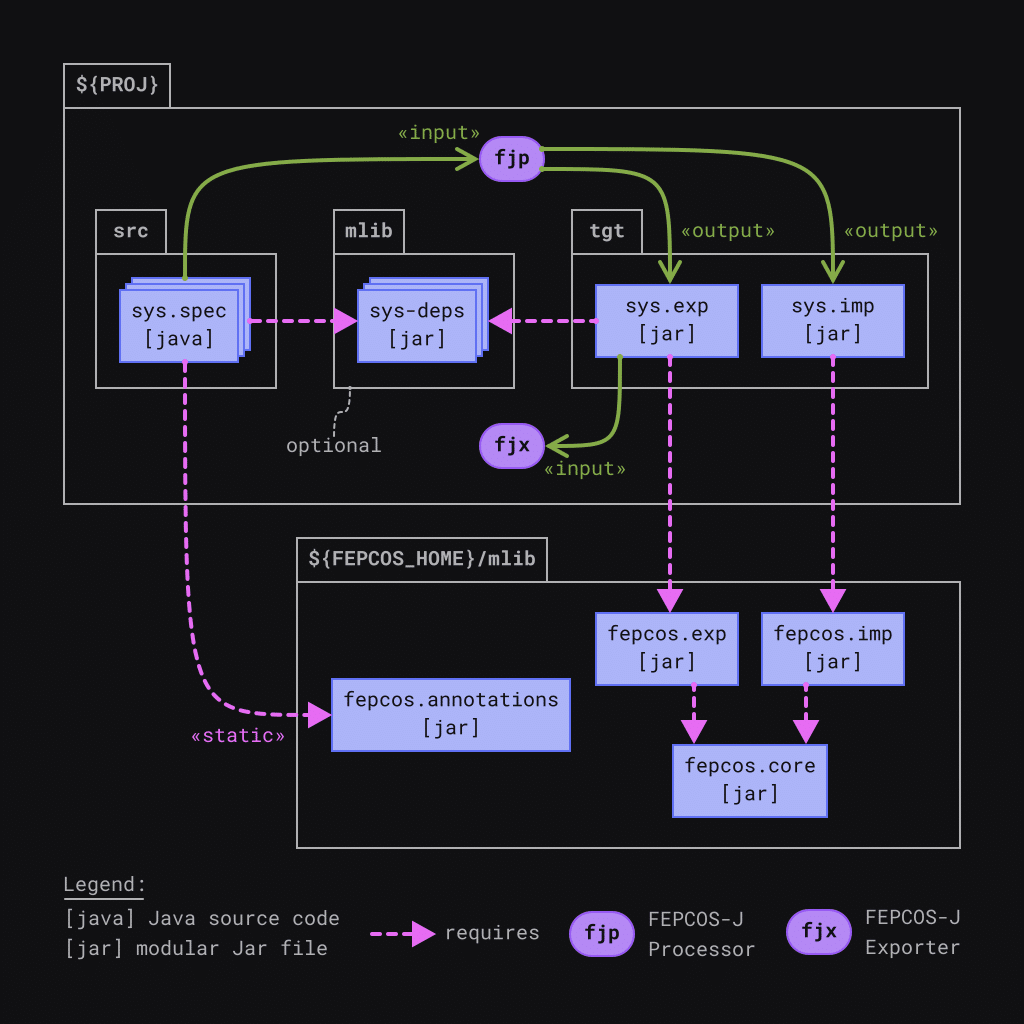

FEPCOS-J: Native executables of Java-coded networked systems
An example shows how Java developers can build native executables of declaratively composed networked systems by using FEPCOS-J and GraalVM.
Every article on foojay.io, newest first: OpenJDK, the JVM, Java tooling and the ecosystem around them, written by the Java community.
An example shows how Java developers can build native executables of declaratively composed networked systems by using FEPCOS-J and GraalVM.
In this article we continue diving into TestContainers and Supabase, and run unit tests against a full local self-hosted Supabase.
Testcontainers is a fantastic way to start resources as containers. Even if there is no pre-made container, you can always use …
In this part, hear about Maven, contributing to Open Source projects, JOOQ, Desktop Applications, Thymeleaf, htmx, and Security.
Apache APISIX is an API Gateway, which builds upon the OpenResty reverse-proxy to offer a plugin-based architecture. The main benefit of …
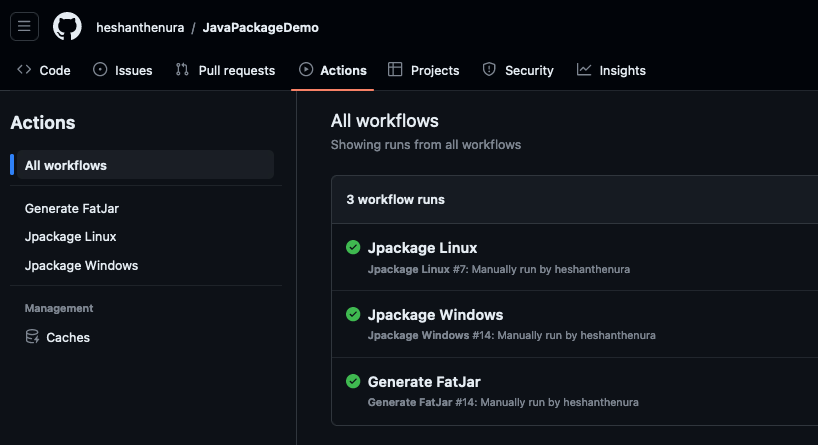
Let's take a look in this article at the current state of what can be done with jpackage and GitHub Actions for JavaFX.
Instead of forking the call on the client side, we fork the call on the Gateway side.
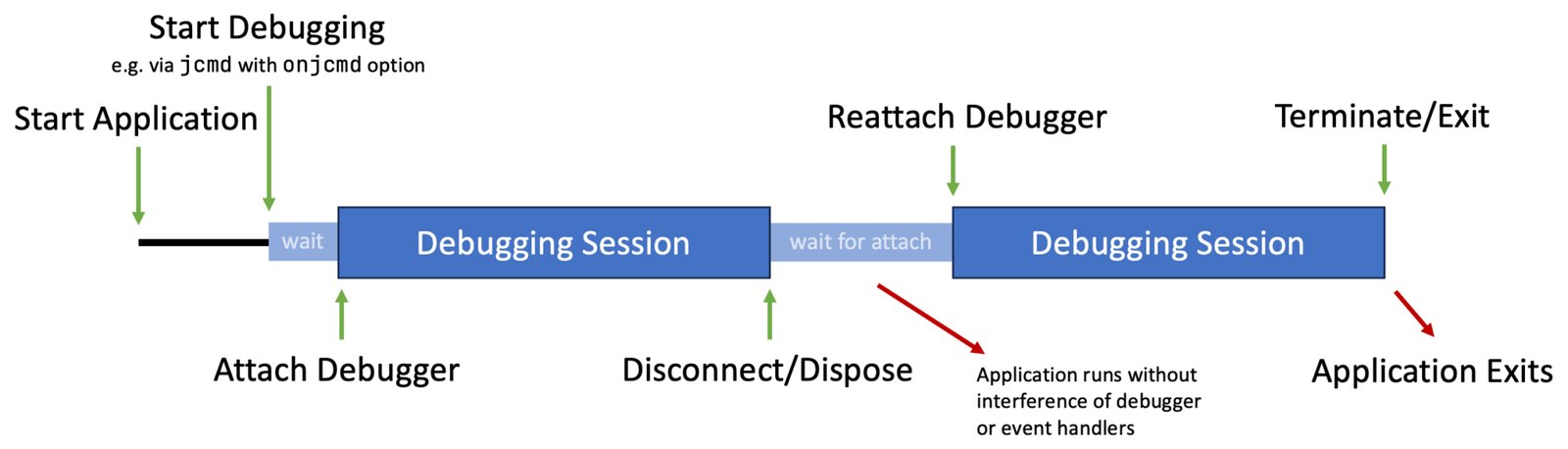
The ability to disconnect and then reattach debuggers is helpful for many complex debugging scenarios and can help you debug faster.

 6,063 views
Collecting important data about your code in dev and test has become trivial, it's now also getting easier to put that data to use.
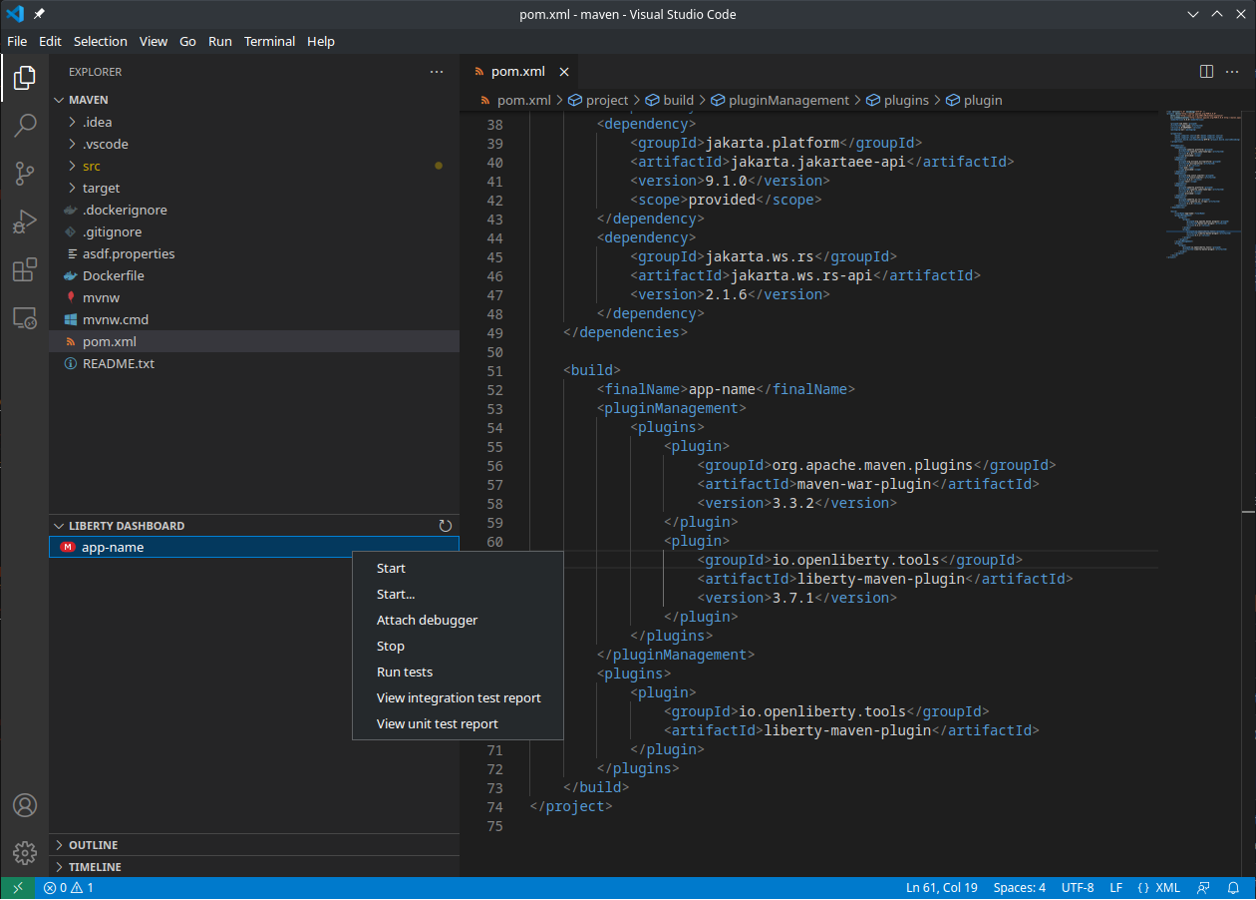
Liberty Tools for Visual Studio Code enables fast, easy and efficient development of cloud native Java applications with Open Liberty.