

 6,374 views
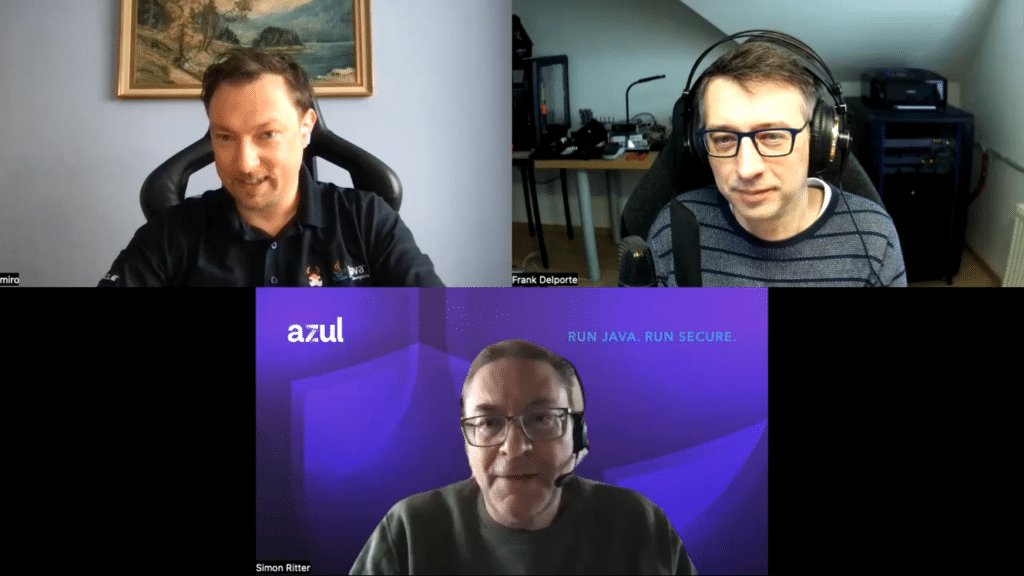
Foojay Podcast #16: Welcome to Java 20!
What new features does Java 20 bring? And why should we use it? And what can we expect from the next LTS version, 21, in September?
Welcome to Hanno Embregts, Sami Ekblad, Lukas Eder and Theresa Mammarella, who published their first article on foojay.io this week.
6,374 viewsWhat new features does Java 20 bring? And why should we use it? And what can we expect from the next LTS version, 21, in September?
Discover insights from seasoned Java developer Steve Poole on the ever-evolving software landscape, career growth, and lessons learned …
Today is Java 20 release day! It's been six months since Java 19 was released, and so it's time for another fresh wave of Java features.
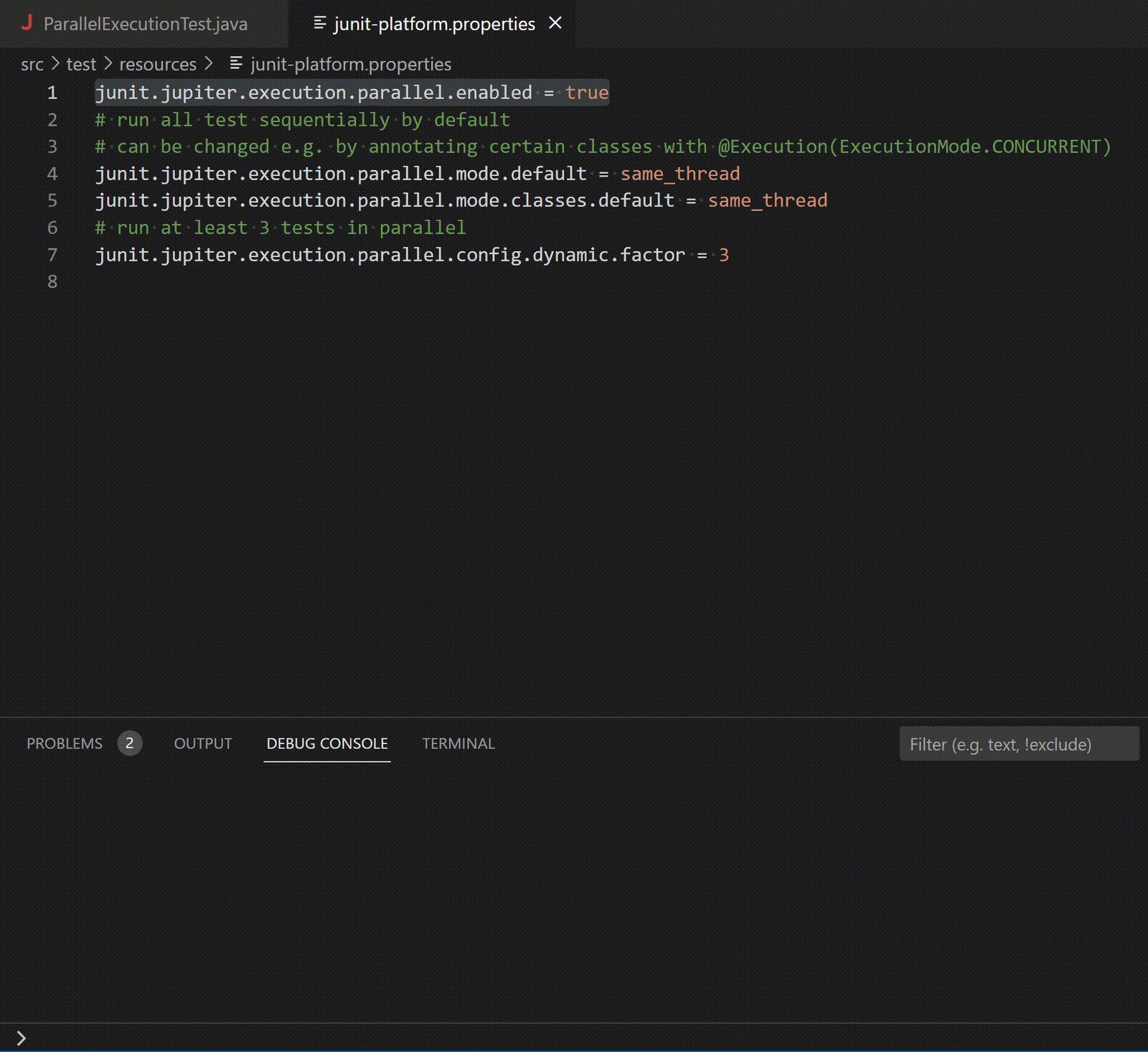
In this article, we will bring you new features related to JUnit 5 parallel testing as well as new filter widget for Spring Boot dashboard.
Vaadin 24 is a step forward with a new technology baseline that includes Java 17, Jakarta EE 10, Servlet 6.0, Spring 6.0, and Spring Boot 3.
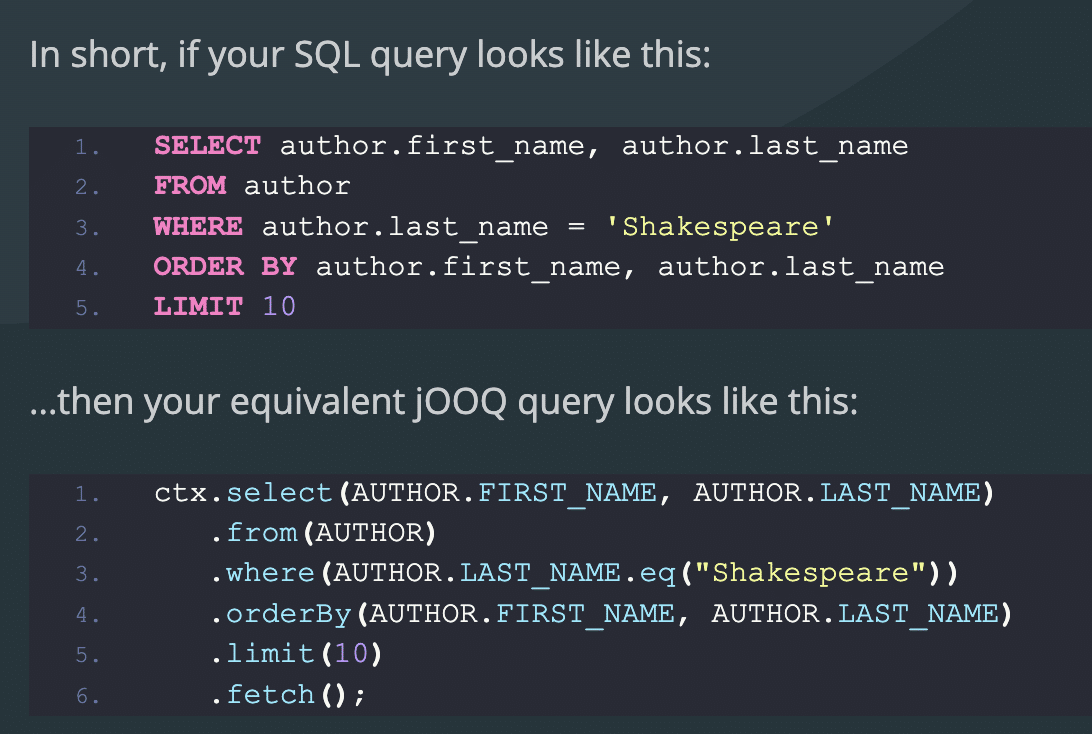
jOOQ makes SQL a "first-class" language in the JVM ecosystem by embedding it into Java, Kotlin, and Scala in an idiomatic way.
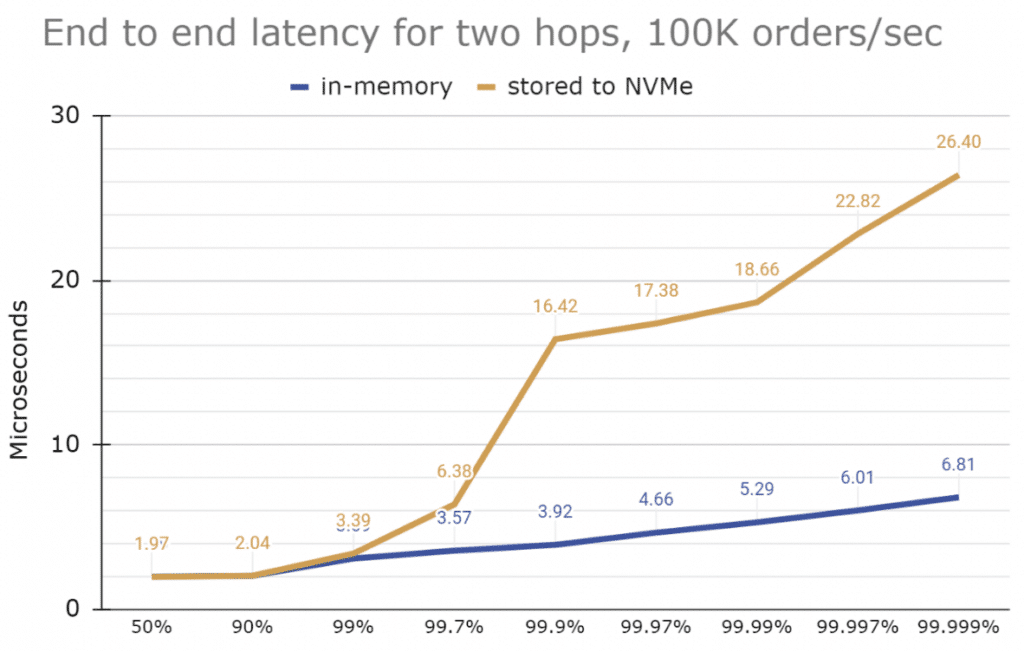
Following the Hello World example, this article looks at an Order Processor with a New Order Single in and an Execution Report out.
Next time you’re considering a new Java library, look for the Sonatype Safety Rating on Maven Central to aid in your decision making.
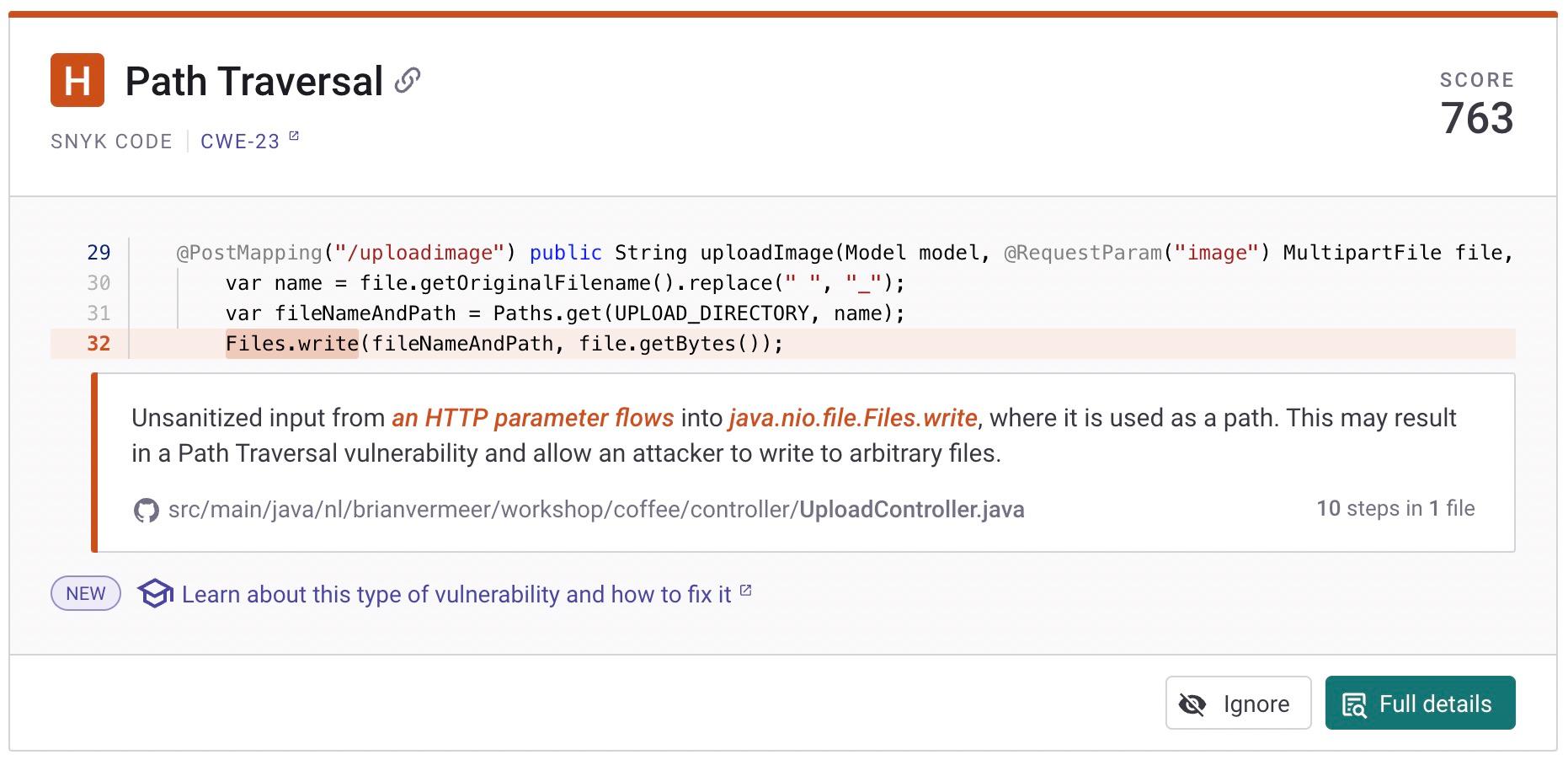
Path traversal vulnerabilities are a serious threat to Java web applications, amongst the top security issues Snyk finds in Java code.
A demonstration of log4j exploits, which defenses people tried, and which worked. We'll cover how groups responded effectively to patch to …
Learn to update a Java client to automatically connect to a secondary, failover cluster if it cannot connect to its original, primary …
Learn how to treat logs and traces as part of a scalable cloud storage repository that can be analysed with the techniques used for big …
Learn how to use Firmata4j to control an Arduino board from a Raspberry Pi board or directly from your computer.
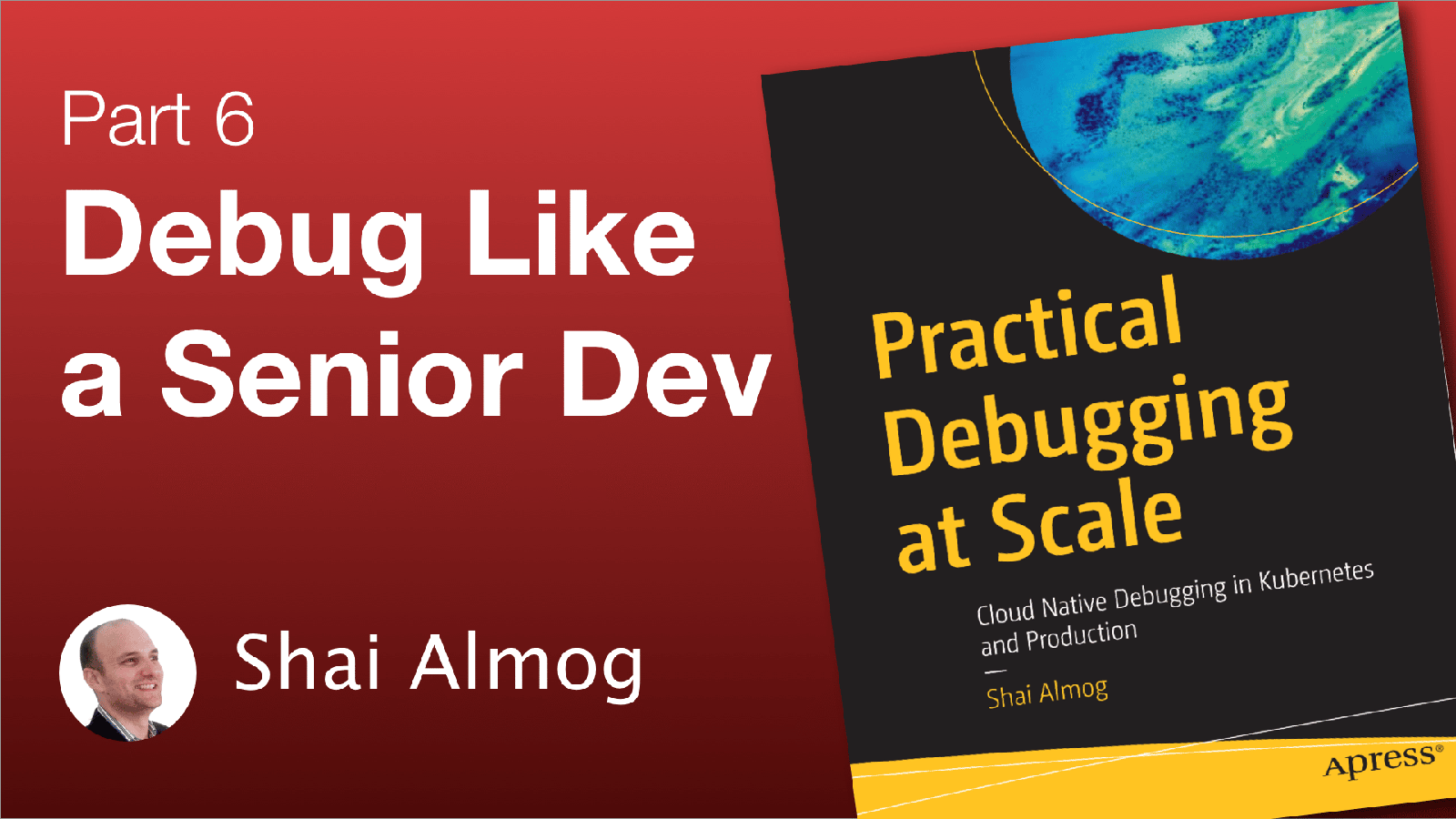
Stop digging through variables in the watch to find nuggets of gold, or rerunning the expression evaluation. Use entity renderers instead.