


Rafael del Nero
Java Champion, a passionate and creative developer who possesses strong technical knowledge and delivers solid systems focused on Spring and Java EE specifications for cloud applications. More than 10 years' experience developing successful, revenue-increasing systems.
Do you want your ad here?
Contact us to get your ad seen by thousands of users every day!
[email protected]All 1 Likes
Foojay Podcast #65: Boost Your Career in 2025!
Table of Contents VideoPodcast AppsGuestsSouJava (JUG Brazil)ContentWith the first Foojay podcast of 2025, we want to help you to boost your career! By now, you've likely had your year-end performance review with your manager and set some goals to advance ...
Using Streams and Set Collection Factory methods with Java makes code easier to read and maintain.
Working correctly with exceptions is crucial to a high-quality application that users enjoy using.
Arrays are objects in Java. Variables in Java actually store references to the object, instead of the real object.
When we pass an object reference to a method, we are changing the object that is in the heap of the memory.
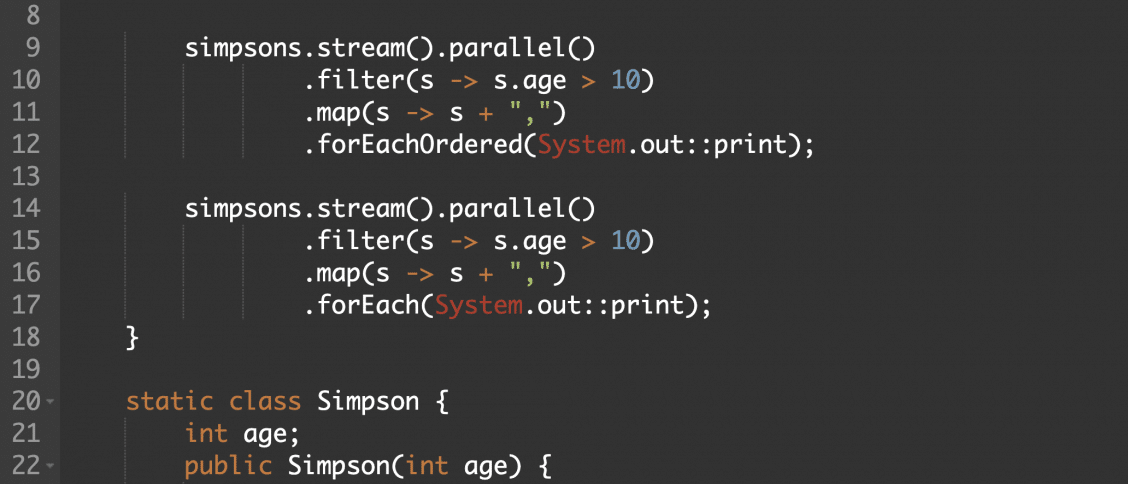
Using streams concurrently with the parallel method is a good idea to optimize performance. However, it’s not always the case that we can use the parallel method, for example, when we depend on the order of logic execution.
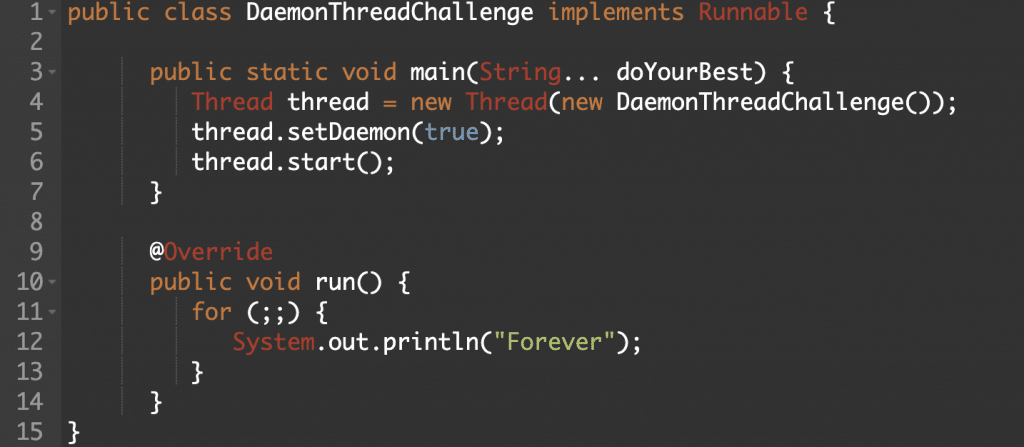
When we are working with Threads, it’s important to know when to use a daemon or a non-daemon Thread.
Do you know if the main Thread is a daemon or not? And do you know what a daemon Thread is?
That’s what you will find out by trying out the following Java Challenge!
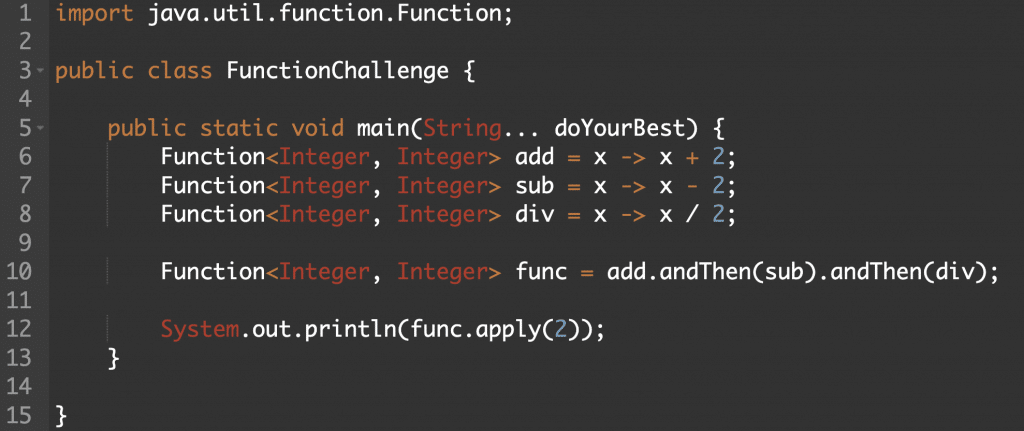
Functional programming is a very powerful paradigm that makes code more concise and easier to understand.
In Java, the “Function” functional interface can be used as a first-class citizen function, meaning that we can pass a function to a method and declare it as a variable, giving the developer a lot of power.
And now it’s time for you now to test your abilities with lambdas and functional interfaces!
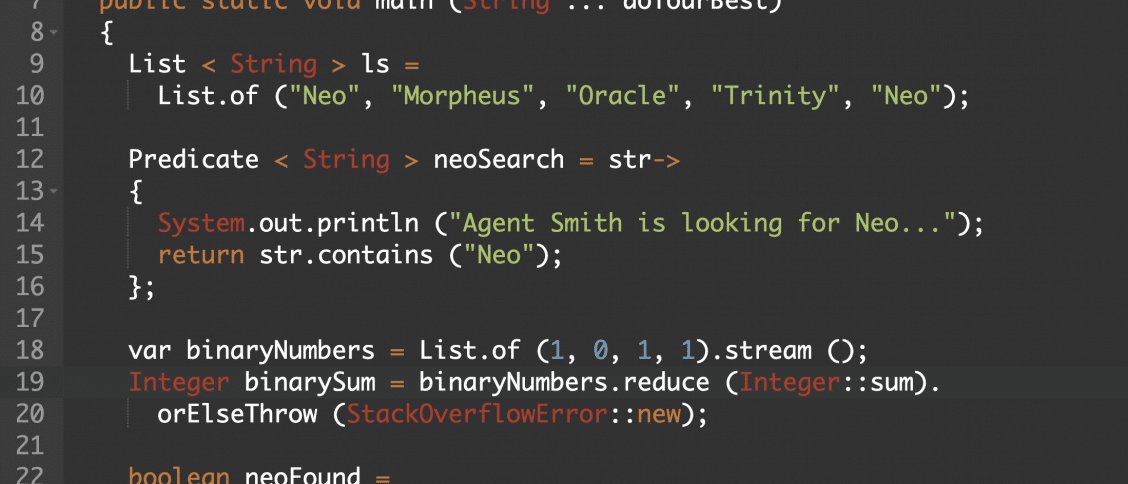
To manipulate data from a collection by using a Java stream is handy and cleaner than the alternatives.
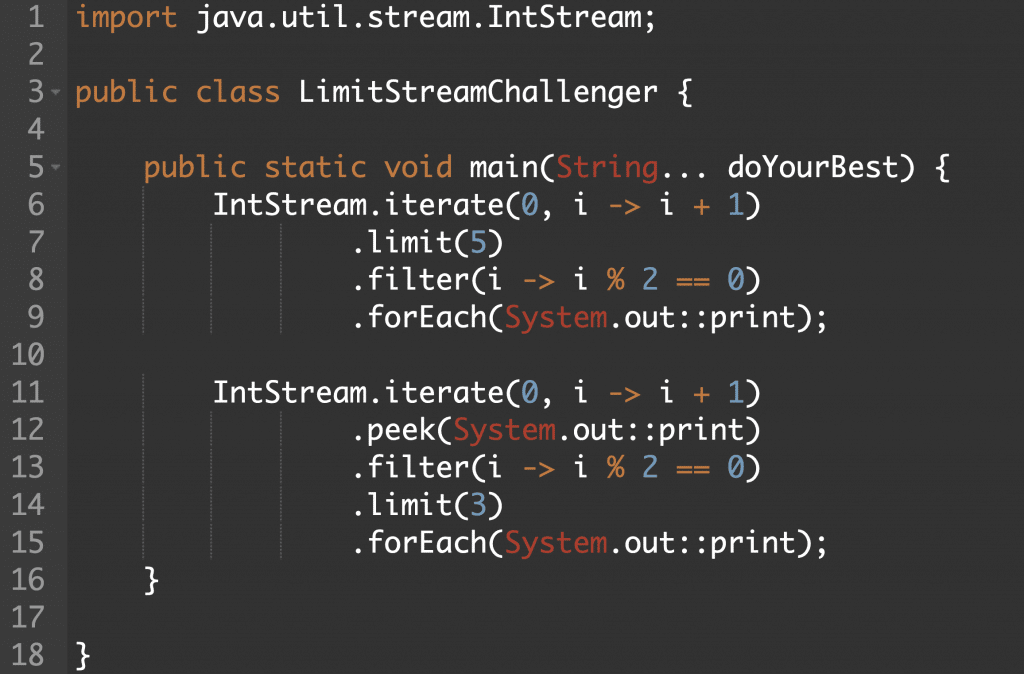
When you learn how to use streams, your Java code will be much better, and knowing how to limit and filter data with streams is crucial for you to do something useful with streams in Java.
Understanding the mechanics of the functional interface Predicate of a Stream is crucial if you want to create something meaningful with streams.
In this challenge, we will explore important key methods when we work with a stream so that it becomes clear for you what they do.
Without further ado, let’s go to the Java Challenge!
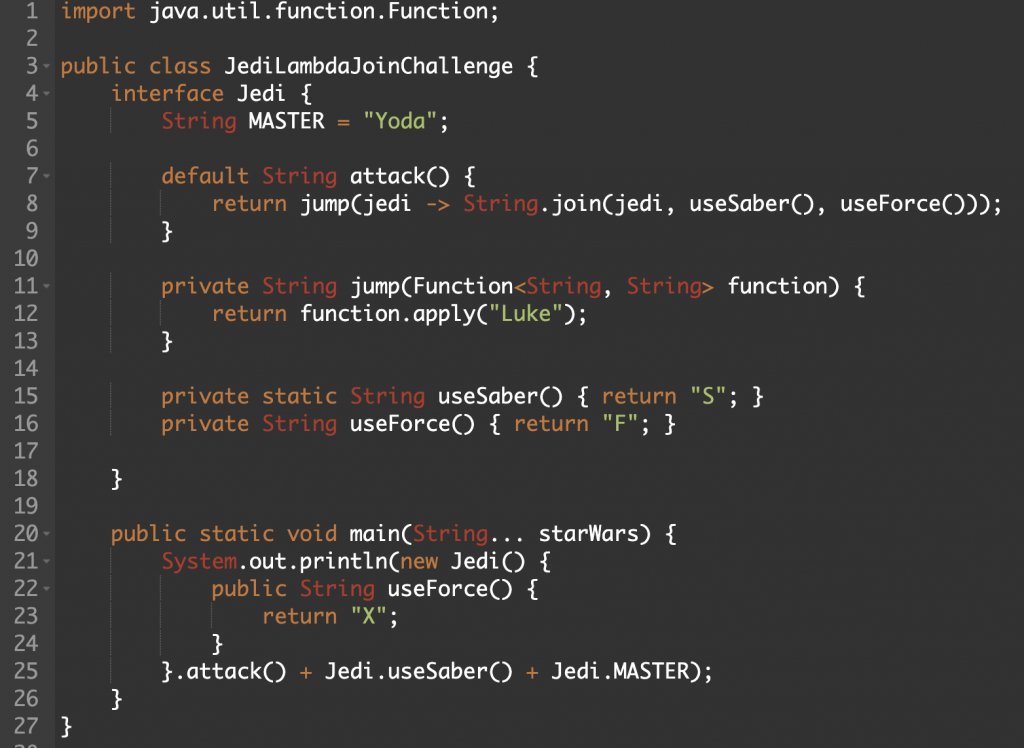
There are many concepts involved in Java Challenges! In essence, we will continue exploring lambdas and the Function interface the most.
However, we also have static methods introduced in Java 8 and the private method in interfaces introduced in Java 9. In the invocation of the interface methods, we are using anonymous inner classes too!
Are you ready for the next Java Challenge? Less introduction, more action, try out this Java Challenge, and master Java concepts by having fun!

- 1
- 2
If you want to know what I spoke about in @jcon_conference in Germany, here's an interview I did at the @foojayio podcast:
#Java #JCON #JakartaEE #AI #A2A
Our team loves to meet and talk with the Java community from around the world. If you want to learn more. You can find all OmniFish presentations at: https://speakerdeck.com/omnifish, including links to the source code of related demos. Or get in touch for a free consultation call.
Another happy customer :)
"Their expertise and flexible hands-on troubleshooting support accelerated resolution of several unexpected hurdles and ultimately got us to a successful upgrade outcome."
If you would like to discuss how we could help your company, get in touch.
All 4 Comments