
The Visitor Pattern - 'Revisited' using Data Oriented Programming techniques
Java Language improvements culminating in java 21 obviate the need for the verbose visitor pattern as we know it, instead elevating it into …
Java Language improvements culminating in java 21 obviate the need for the verbose visitor pattern as we know it, instead elevating it into …
Java 23 has arrived! It's been six months since Java 22 was released, so it's time for a fresh truckload of JEPs.
Java 22 is here, and it's ready to rock! Boasting a set of 12 JEPs, it finalizes features and previews new ones. This article has all the …
Today's the first day of Java 21's availability! It's been six months since Java 20 was released, so it's time for another fresh wave of …

 5,219 views
This article explores the adoption of Java Records in a Jakarta EE application as a data transfer and projection object.
Today is Java 20 release day! It's been six months since Java 19 was released, and so it's time for another fresh wave of Java features.
Explore how to best use compact Java Records as Data Transfer Objects (DTOs) for database and API calls in Spring Boot 3 with Hibernate 6.



 9,099 views
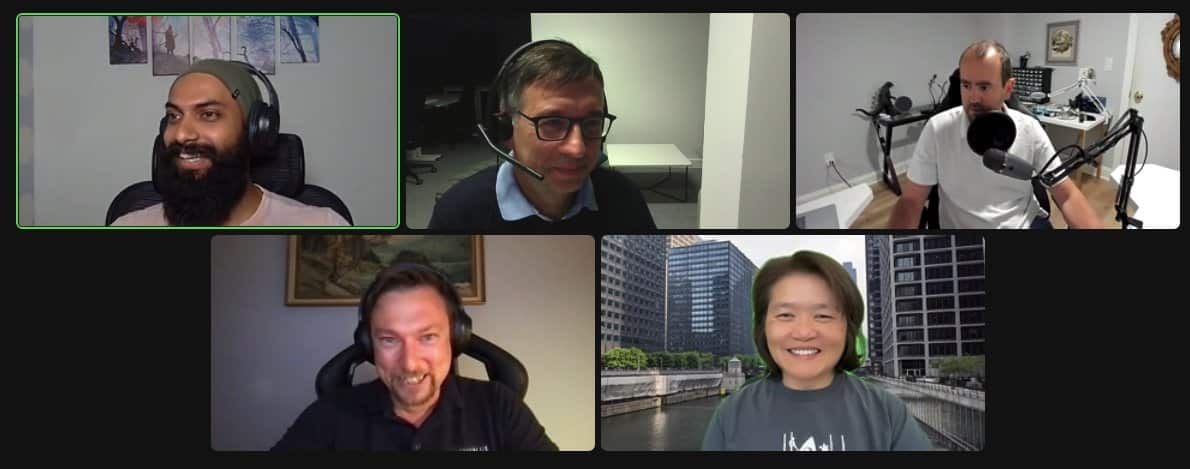
It's September 20th, OpenJDK 19 has been released. In this podcast, we discuss the new features and the changes that this release brings.
Although the Java 19 release is coming in September (2022-09-20), we already know what will happen in that release!
Records help remove repetitive error-prone code, increasing developer productivity, with immutability keeping it away from concurrency bugs.