

Small, Signed, and Still Vulnerable? What Really Makes a Java Container Secure
Small, distroless, signed, and scanned clean, yet vulnerable? Six Java container security myths taken apart and gaps closed.
Every article on foojay.io, newest first: OpenJDK, the JVM, Java tooling and the ecosystem around them, written by the Java community.
Small, distroless, signed, and scanned clean, yet vulnerable? Six Java container security myths taken apart and gaps closed.
Notes from Porto TechHub 2026: Embabel and agentic AI planning, a comparison of Spring AI, LangChain4j, and Embabel, and the new defaults in …
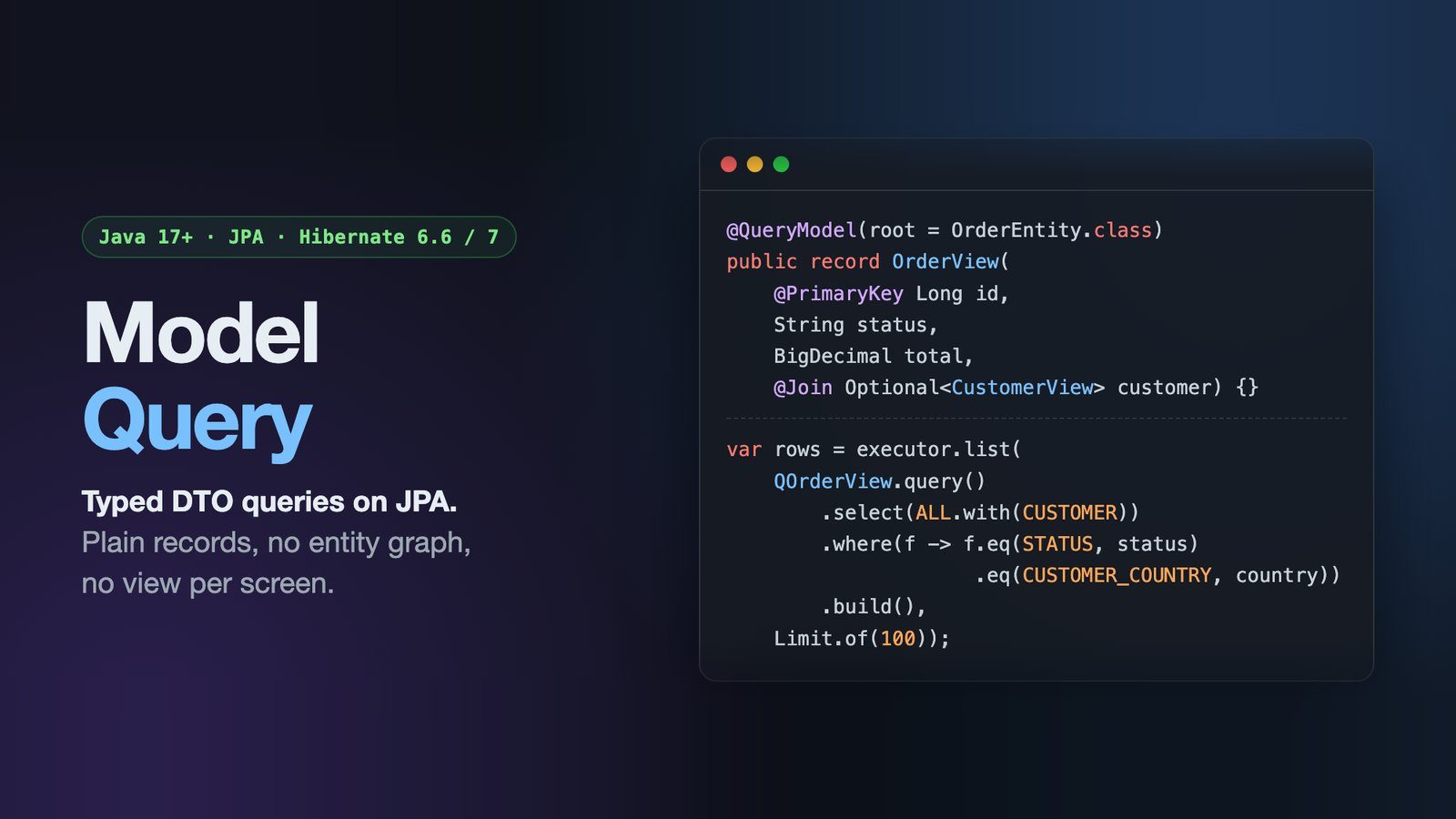
Constructor expressions, interface projections and generated read models: what each costs when a list screen needs paging and optional …
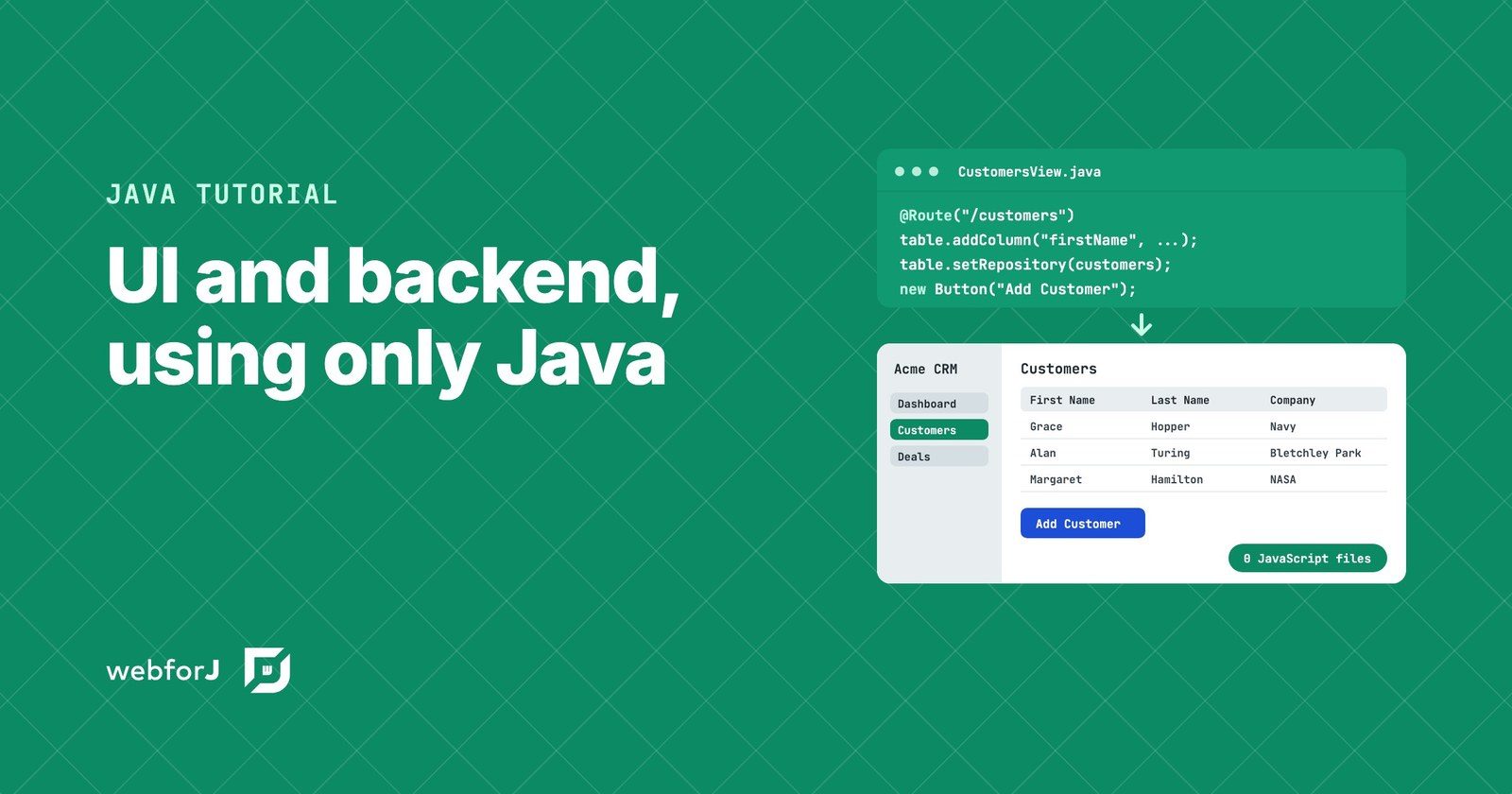
Build a full-stack web app using only Java: one Maven command, a table backed by Spring Data and a validated form in 5 classes, no …
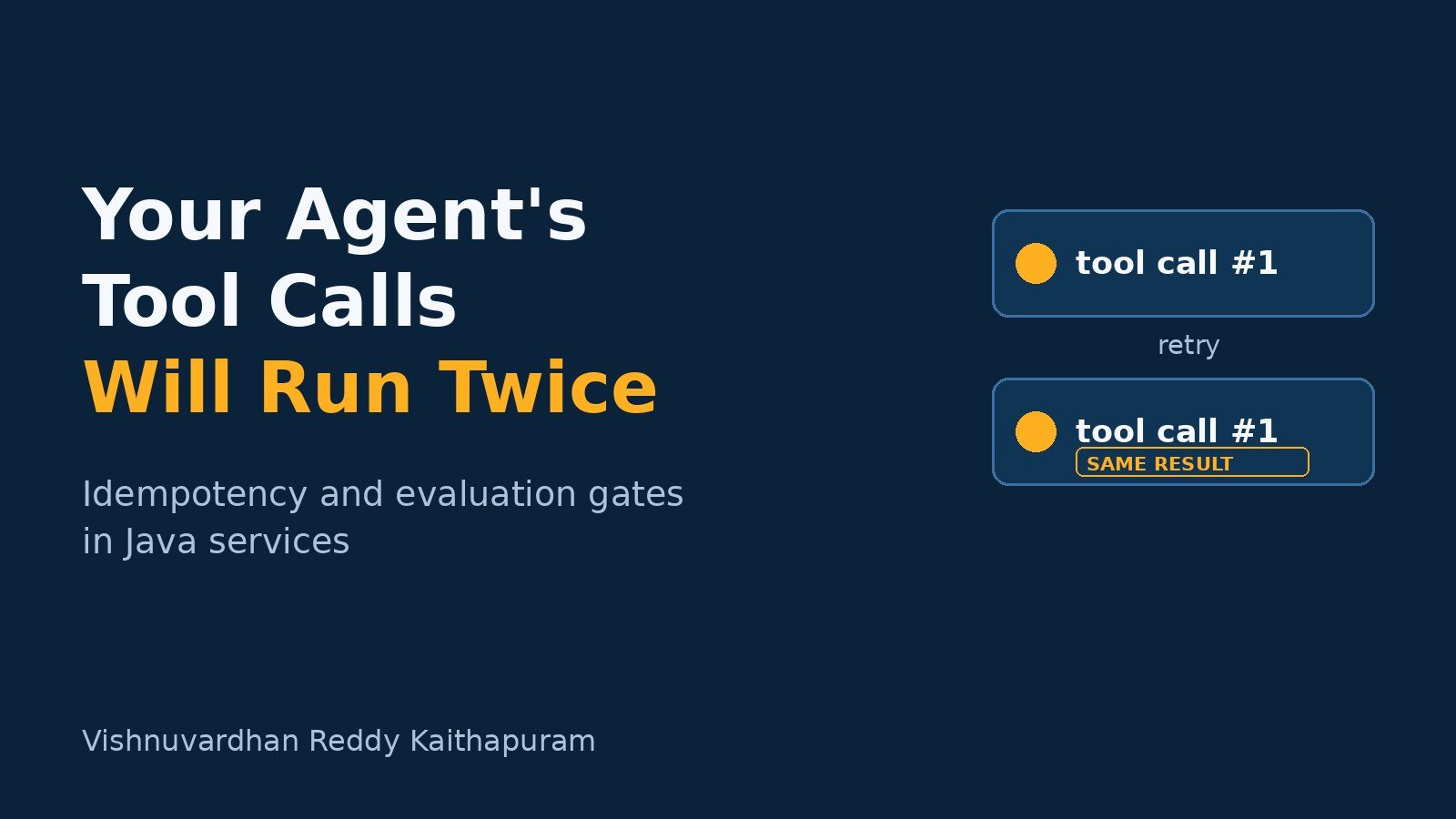
Why every LLM tool call eventually runs twice, and how idempotency keys plus evaluation gates make that safe in Java services.
A coding assistant was given a real feature request against the execution engine of an open-source orchestrator. Three pull requests later, …
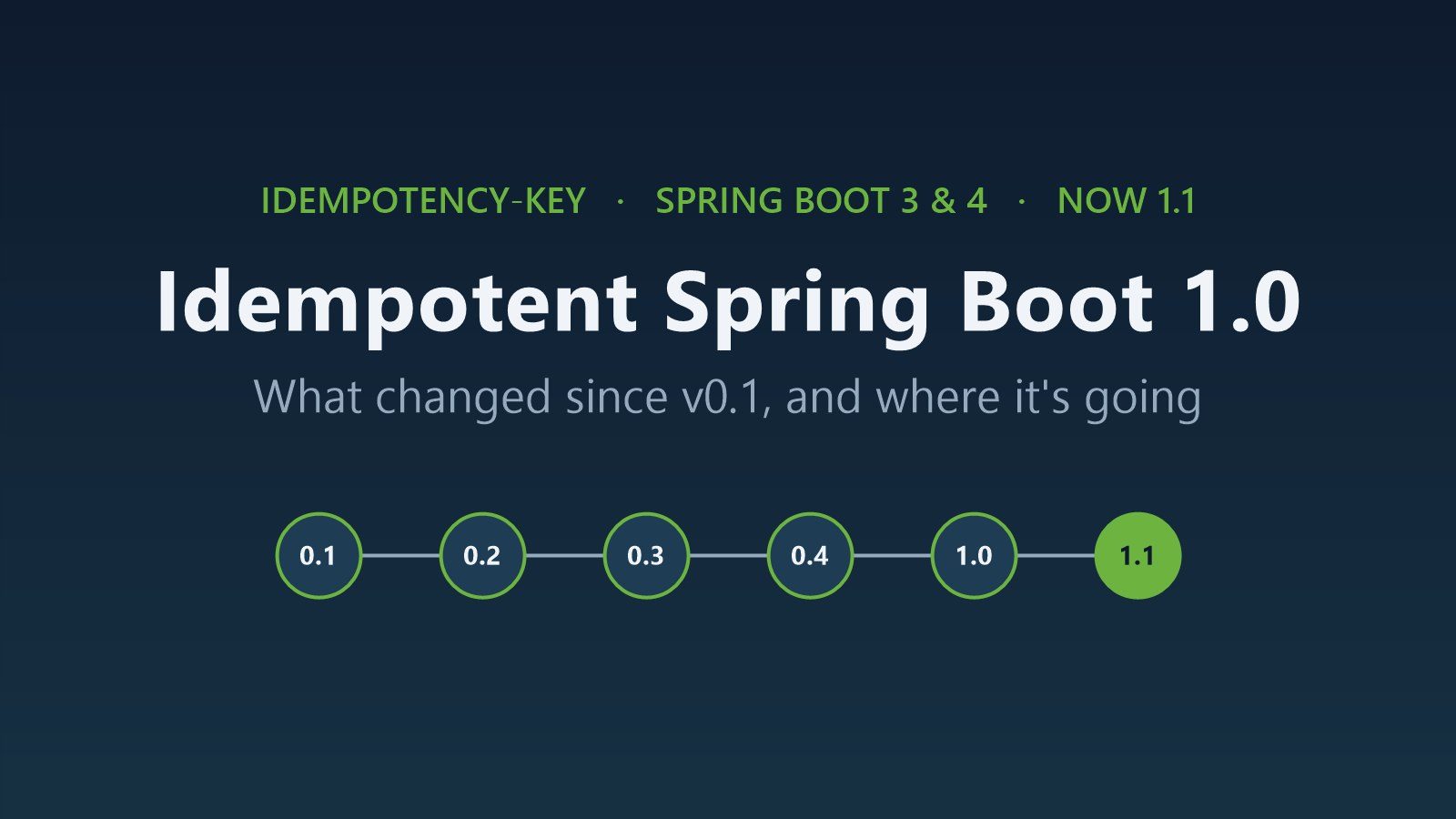
How an idempotent Spring Boot starter evolved from 0.1 to 1.1: exactly-once JDBC, production fixes, a stability promise, and a first outside …
Since Java 25, the AOT cache holds method profiles. They shorten the warmup – and cost speed in the long run. Measured and explained.
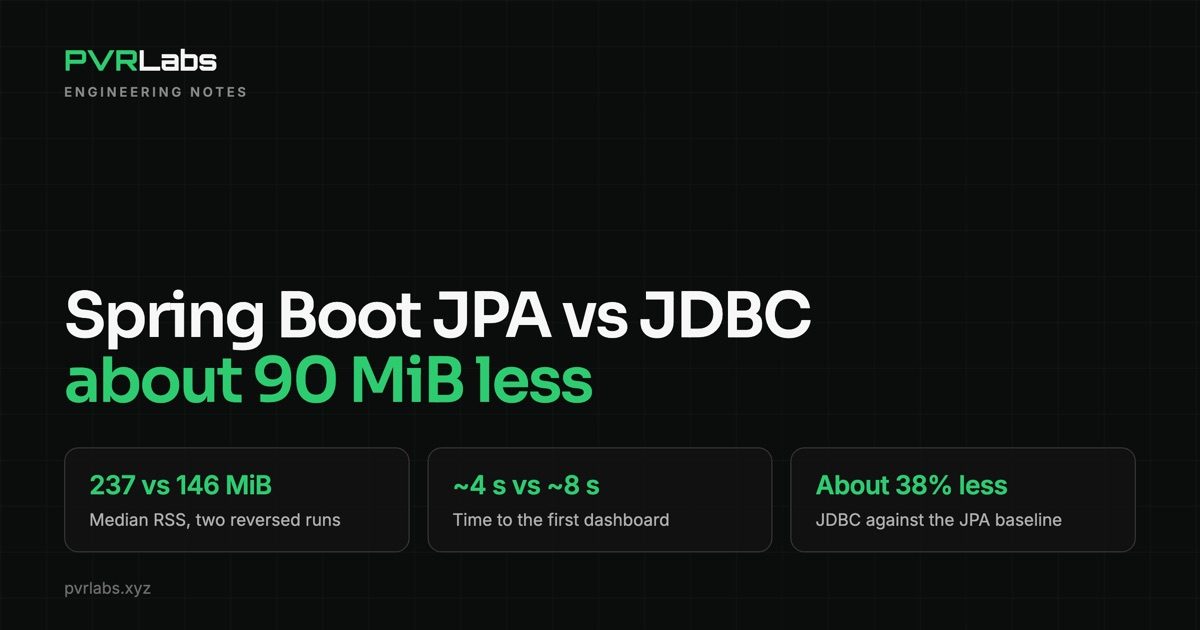
A small Spring Boot app used about 90 MiB less RSS with JDBC than with JPA and Hibernate, and reached its dashboard sooner.
Java4Shell is a memory-corruption flaw in OpenJDK that could allow remote code execution on x86-64 systems with AVX-512. Here is who is …