
Do you want your ad here?

Contact us to get your ad seen by thousands of users every day!

[email protected]

Friends of OpenJDK Today

Most Viewed

The Ultimate 10 Years Java Garbage Collection Guide (2016–2026) – Choosing the Right GC for Every Workload

Memory management remains the primary factor for application performance in enterprise Java environments. Between 2017 and 2025, the ecosystem shifted from manual tuning to architectural selection. Industry data suggests that 60 percent of Java performance issues and 45 percent of production incidents in distributed systems stem from suboptimal Garbage Collection (GC) behavior. This guide provides a strategic framework for selecting collectors based on workload characteristics. It covers the transition from legacy collectors to Generational ZGC, analyzing trade-offs regarding throughput, latency, and hardware constraints with mathematical precision.

New Articles

BoxLang 1.10.0: Functional Arrays, Elegant Loops & Distributed Locking

Table of Contents 🎯 What’s NewNine New Array Methods for Functional ProgrammingElegant Loop Destructuring SyntaxDistributed Cache Locking for Clustered EnvironmentsDynamic Module Management⚡ Performance OptimizationsFully-Qualified Name ResolutionASM Compilation ImprovementsStreaming Binary Responses🛠️ Developer Experience EnhancementsMiniServer Warmup URLsRuntime Introspection VariablesModule Binary DirectoryJSR-223 Configuration …

First Test of Java on the VisionFive 2 Lite (RISC-V)

Table of Contents Why RISC-V?StarFive VisionFiveTest BoardGetting StartedHardware SetupInstalling UbuntuJava Installation and TestingInstalling JavaSimple Java TestsConclusion As part of my 2026 learning goals around Java on RISC-V (see this post about x86 versus ARM versus RISC-V), I’ve asking various suppliers …

GraphQL for Java Developers: Building a Flexible Data Layer

Table of Contents GraphQL fundamentals Why GraphQL fits well in the Spring ecosystemChoosing Netflix DGS with Spring for GraphQLProject setupDependenciesDomain model overviewDefining the GraphQL schemaPersistence with MongoDBQuery resolvers with Netflix DGSMutations and input validationResolving relationships in MongoDBThe N+1 query problemUsing DataLoader …

FOSDEM 2026 and the Open Source Firehose

Table of Contents The Chaos and the CrowdFOSDEM isn’t a conference so much as a live snapshot of the open source ecosystem in action.Navigating the FirehoseSo why go in person when you could watch from your sofa?Trends and Tensions in …

Bringing Java Closer to Education: A Community-Driven Initiative

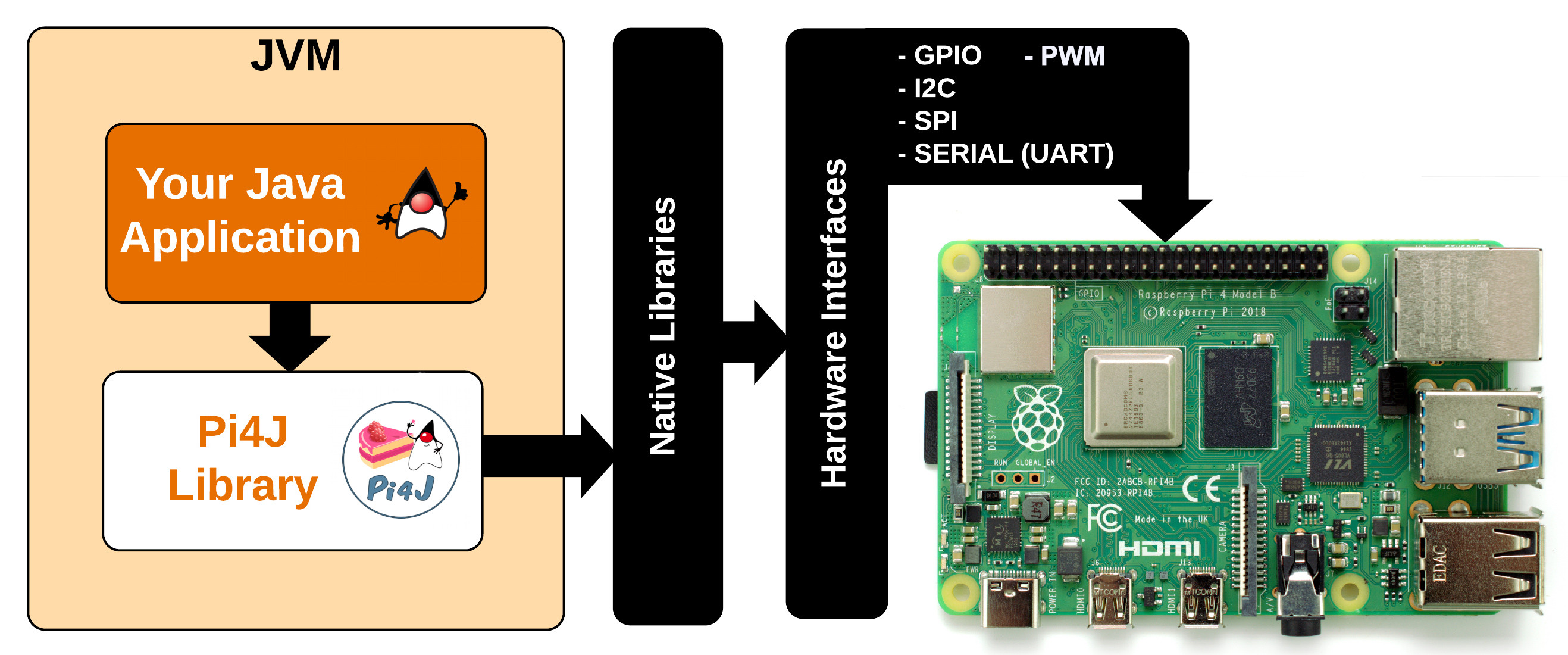
Table of Contents The role of this GitHub repositoryWhy Java in Education MattersA Major Milestone: Java in CoderDojoCommunity Content vs. Official Raspberry Pi Foundation MaterialImpact on Raspberry Pi, Pi4J, and the Java EcosystemThe Challenge with the Raspberry Pi FoundationConnecting Existing …

Code. Check. Commit. 🚀 Never Leave the Terminal with Claude Code + SonarQube MCP

Table of Contents First things first: What is Claude Code? 🤖The Old Way: The Context-Switching Tax 💸The Missing Piece: SonarQube MCP Server 🧩The Workflow: Generate, Verify, Remediate 🔄Step 1: The Setup 🛠️Step 2: The Action (Java Example) ☕Interacting with your …

The Ultimate Java Garbage Collection Guide (2017–2026)
Popular today The Ultimate 10 Years Java Garbage Collection Guide (2016–2026) – Choosing the Right GC for Every Workload
Memory management remains the primary factor for application performance in enterprise Java environments. Between 2017 and 2025, the ecosystem shifted from manual tuning to architectural selection. Industry data suggests that 60 percent of Java performance issues and 45 percent of production incidents in distributed systems stem from suboptimal Garbage Collection (GC) behavior. This guide provides a strategic framework for selecting collectors based on workload characteristics. It covers the transition from legacy collectors to Generational ZGC, analyzing trade-offs regarding throughput, latency, and hardware constraints with mathematical precision.
Announcing: Sustainability for Java Developers — A New Collaborative Guide from the Foojay.io Community

Java developers from around the world are writing a book about a question that’s becoming impossible to ignore: how do we write software that’s good for both our projects and the planet? Sustainability for Java Developers: Towards an Understanding of …

JavaFX Links of January 2026

Table of Contents CoreApplicationsGamesComponents, Libraries, ToolsPodcasts, Videos, BooksTutorialsMiscellaneousJFX Central Here are the JavaFX LinksOfTheMonth of January 2026. You can find the weekly lists on jfx-central.com. Did we miss anything? Is there anything you want to have included in one of …

One Java community. Many countries. One place to meet: JCON EUROPE

Table of Contents Foojay.io friends, you’re invited—for free!Relive JCON EUROPE 2025 At JCON EUROPE, developers, speakers, and contributors from across the globe come together to exchange ideas, share experiences, and connect around Java. What makes our Java community special isn’t …

Abstracting Data Access in Java With the DAO Pattern

Table of Contents A simple implementationPrerequisitesThe domain classThe DAO APIThe ProductDao classUsing the DAOUsing MongoDB as the persistence layerSetting up MongoDBThe MongoDBProductDao classConnecting to MongoDBThe application classAdvanced considerationsPreventing business logic leakageAdding custom query methodsError handlingConclusion The Data Access Object (DAO) …

State of Contemporary Enterprise Java Report Front Cover
Enterprise Java in Practice: Fragmentation, Platforms and Real-World Trade-offs

Table of Contents Where fragmentation shows upWhy platform architecture mattersJoin our webinar: Insights on Enterprise Java, Trends, Challenges and StrategiesExplore the data Enterprise Java has matured into one of the most stable and widely adopted ecosystems in software development. Yet …

Testing Emails with Testcontainers and Mailpit

Testing email functionality is often painful. SMTP servers are external, tests become slow or flaky, and local setups differ from CI environments. As a result, many teams either mock the mail sender or skip proper email tests completely.

Join the Community

Be a Part of Our Network

Mastodon

Subscribe to foojay updates:

https://foojay.io/feed/
Copied to the clipboard