



Deepu K Sasidharan
Deepu is a polyglot developer, Java Champion, and OSS aficionado. He mainly works with Java, JS, Rust, and Golang. He co-leads JHipster and created the JDL Studio and KDash. He's a Senior Developer Advocate for DevOps at Okta. He is also an international speaker and published author.
Jakarta EE 11: Beyond the Era of Java EE
This user guide provides a brief history of Java EE/Jakarta EE and a detailed overview of some of the specifications that will be updated in Jakarta EE 11.
Step up your coding with the Continuous Feedback Udemy Course: Additional coupons are available
What do you know about the code changes that were just introduced into the codebase? When will you notice if something goes wrong?
Stable, Secure, and Affordable Java
Azul Platform Core is the #1 Oracle Java alternative, offering OpenJDK support for more versions (including Java 6 & 7) and more configurations for the greatest business value and lowest TCO.
Do you want your ad here?
Contact us to get your ad seen by thousands of users every day!
[email protected]All 0 Likes
Foojay Podcast #40: Making Java Attractive for Beginners in Programming
How can we make the Java language more attractive for newbies? Let’s ask some experts…
A comprehensive and informative guide for those looking to navigate the complex world of JDK distributions and licenses,

Functional programming: you either love it or you hate it. But it is a trade-off. So for today, let’s focus on the good, the bad, the ugly!

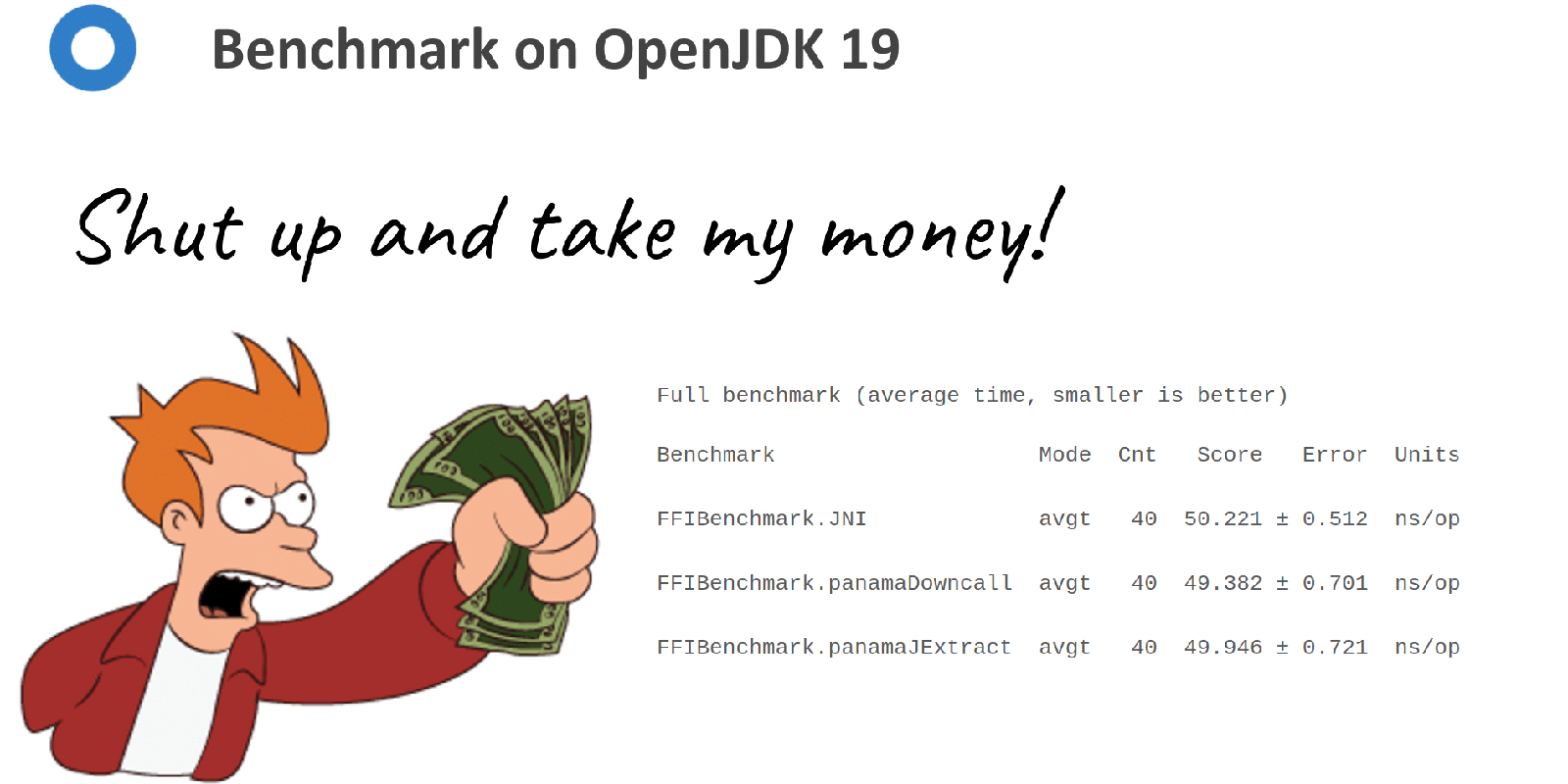
It’s September 20th, OpenJDK 19 has been released. In this podcast, we discuss the new features and the changes that this release brings.
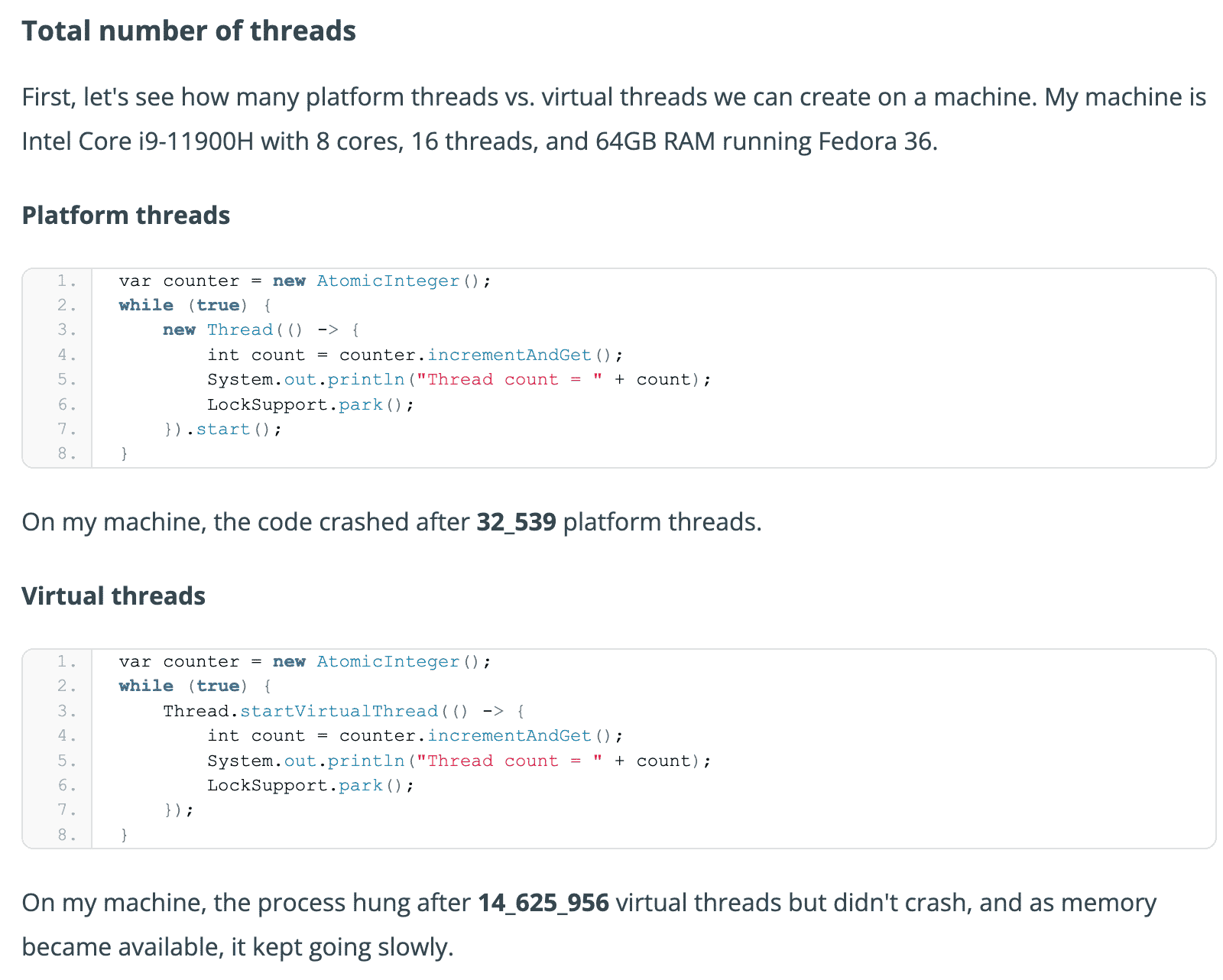
Project Loom aims to fix issues in the current concurrency model by introducing two new features: virtual threads and structured concurrency.
Java 18, released last month, includes the 2nd incubator of the Foreign Function & Memory API (FFI). Let’s look at the state of the Java FFI.
Pattern matching is a language feature where you can test for a specific pattern on a character sequence or a data structure.
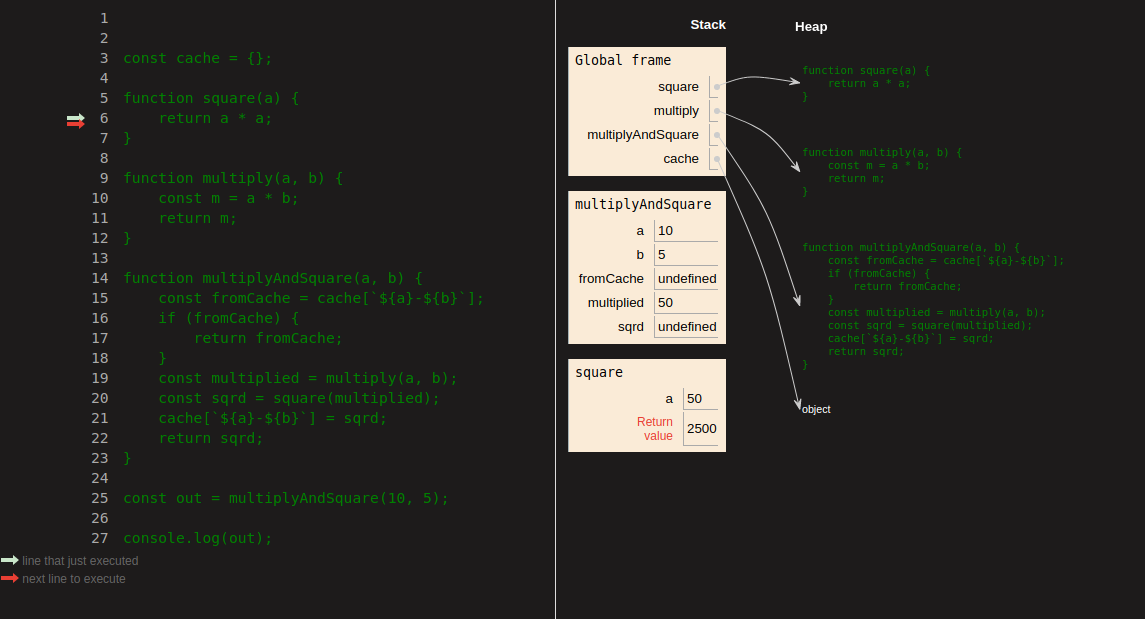
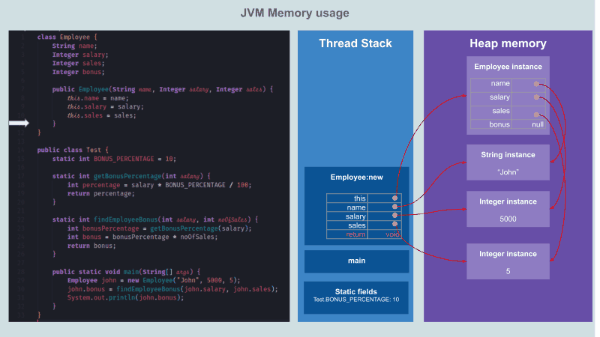
In this multi-part series, I aim to demystify the concepts behind memory management and take a deeper look at memory management in some of the modern programming languages.
I hope the series would give you some insights into what is happening under the hood of these languages in terms of memory management.
This is a multi-part series where I talk about concurrency in modern programming languages and build and benchmark a concurrent web server, inspired by the example from the Rust book, in popular languages like Java, Rust, Go, JavaScript (NodeJS), TypeScript (Deno) and Kotlin to compare concurrency and its performance between these languages/platforms.
Part 6 is here on Foojay.io, the place for friends of OpenJDK.
In this multi-part series, I aim to demystify the concepts behind memory management and take a deeper look at memory management in some of the modern programming languages, in particular Java, Kotlin, Scala, Groovy, and Clojure.
I hope the series would give you some insights into what is happening under the hood of these languages in terms of memory management.
In this chapter, we will look at the memory management of the Java Virtual Machine (JVM) used by languages like Java, Kotlin, Scala, Clojure, Groovy, and so on.
There is a lot of hype around functional programming (FP) and a lot of cool kids are doing it but it is not a silver bullet.
Like other programming paradigms/styles, functional programming also has its pros and cons and one may prefer one paradigm over the other.
If you are a Java developer and wants to venture into functional programming, do not worry, you don’t have to learn functional programming oriented languages like Haskell or Clojure(or even Scala or JavaScript though they are not pure functional programming languages) since Java has you covered and this post is for you.
Interesting read on @foojayio about the current state of the @grailsframework, at @TheASF
Written by @spoole167 interviewing @JamesFredley
https://foojay.io/today/grails-isnt-done-yet-part-1-inside-the-asf-reboot/
#Java 26 is here, and its main purpose is to provide a solid foundation for future things to come. It comes with new features, performance improvements and multiple enhancements–my blog post has all the info! 🚀
My #Java 26 article is now also available on Foojay Today! @foojayio
All 5 Comments