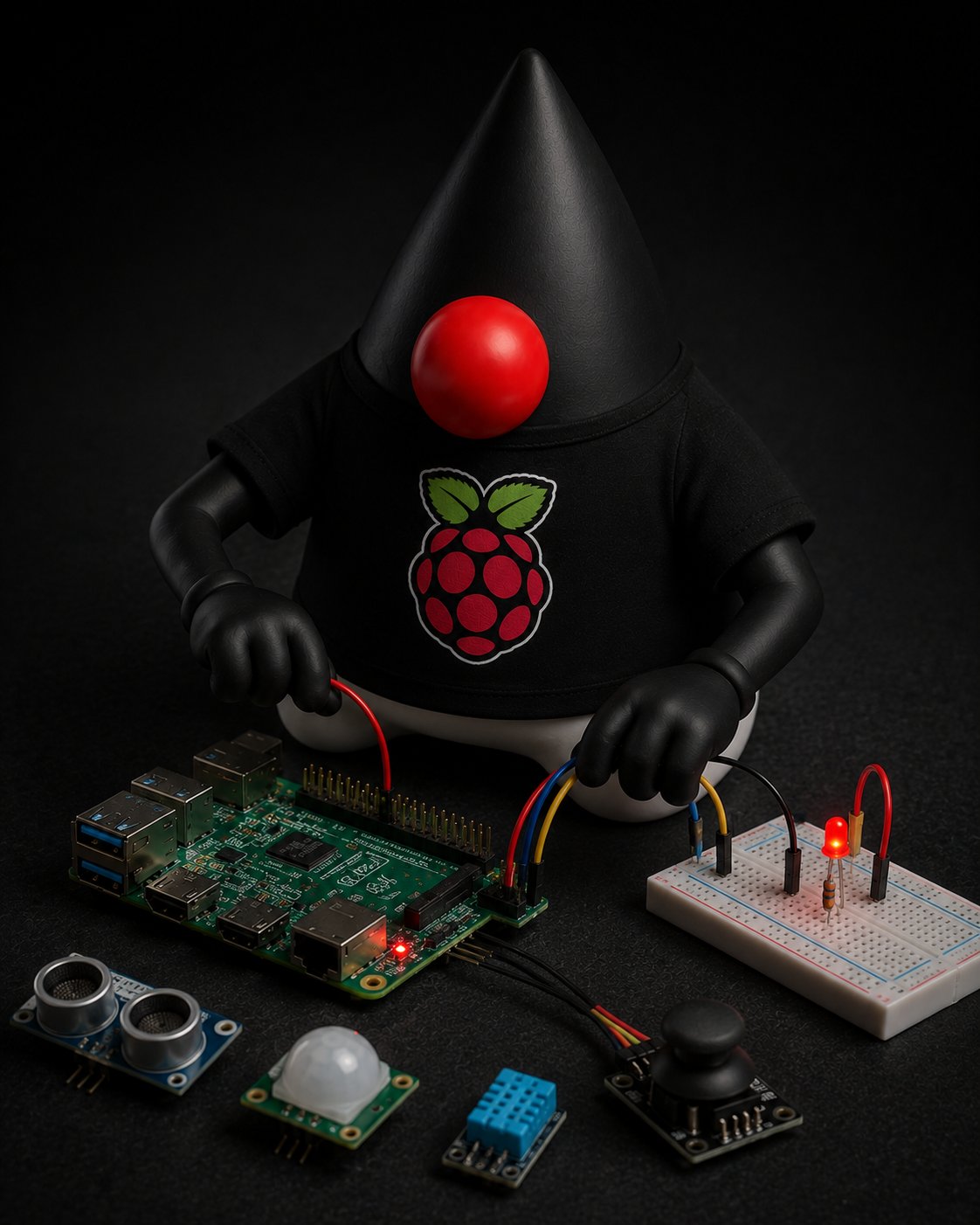
Pi4J Drivers: Simplifying Sensor and Hardware Integration in Java

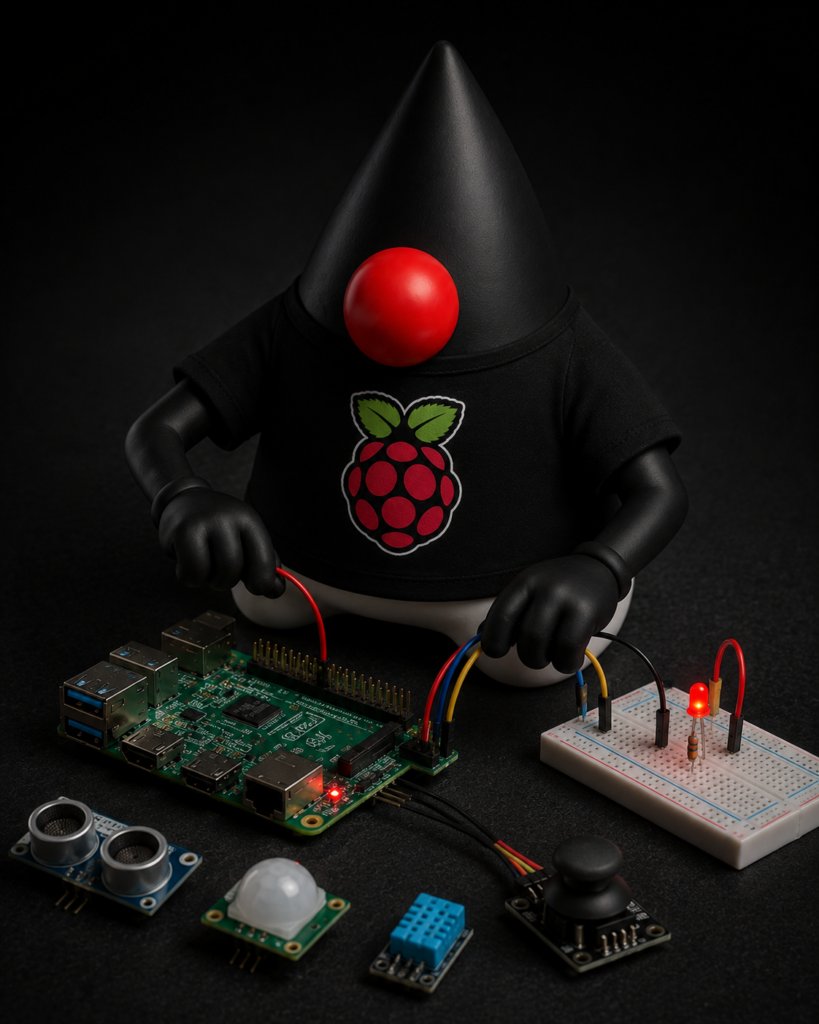
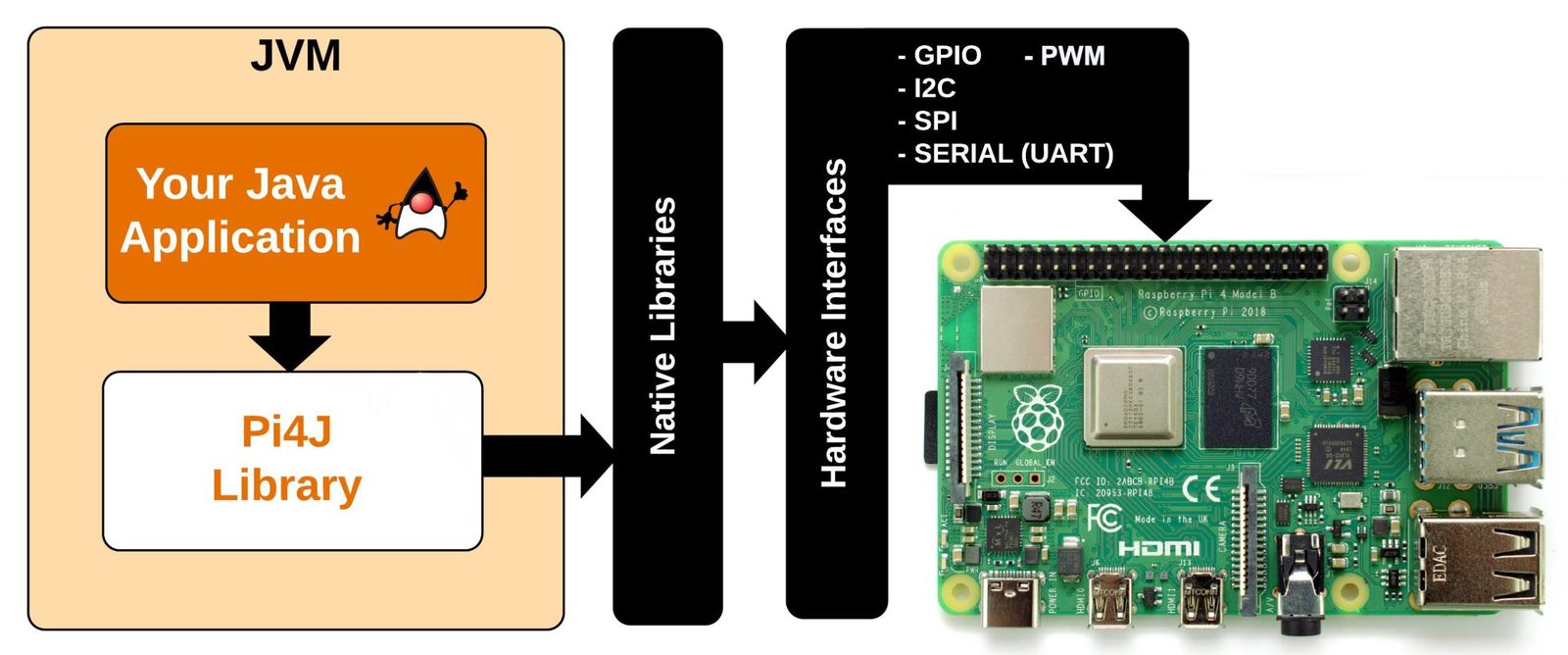
When developing Java applications for Raspberry Pi, Pi4J is one of the most popular libraries for accessing GPIO, I2C, SPI, PWM, and other hardware interfaces. However, interacting directly with these protocols often requires a significant amount of code and a deep understanding of the underlying hardware.
This is where the Pi4J Drivers library become extremely valuable.
What is Pi4J Drivers?
Pi4J Drivers is a companion project to Pi4J that provides ready-to-use drivers for a wide range of electronic components, including sensors, displays, I/O expanders, and actuators. Instead of implementing low-level communication from scratch, developers can leverage tested and reusable APIs to interact with hardware devices.
The project fills an important gap in the Pi4J ecosystem. While Pi4J Core provides access to the Raspberry Pi’s hardware interfaces, Pi4J Drivers adds a higher-level abstraction layer that makes working with specific devices significantly easier.
Pi4J Drivers repository: https://github.com/Pi4J/pi4j-drivers
Info on the Pi4J website: https://www.pi4j.com/drivers/
Pi4J Drivers Reaches Version 1.0.0
A major milestone for the Pi4J community is the release of Pi4J Drivers 1.0.0. This first stable release demonstrates the maturity of the project and provides developers with greater confidence when building real-world applications.
Version 1.0 marks the beginning of a more robust and reliable driver ecosystem for Java developers working with Raspberry Pi. It also reflects the ongoing commitment of the community to expand the available driver catalog and make hardware integration more accessible for IoT, automation, education, and industrial projects.
Why is Pi4J Drivers Important?
Imagine you want to work with a temperature sensor, an OLED display, or an MCP23017 I/O expander.
Without a dedicated driver, you would typically need to:
- Study the component’s datasheet
- Implement I2C or SPI communication manually
- Handle device registers directly
- Convert raw data into meaningful values
- Build and maintain your own reusable API
With Pi4J Drivers, much of this work has already been done for you.
Developers can focus on building application logic instead of spending time implementing communication protocols and device-specific functionality. This significantly reduces development effort while improving code quality and maintainability.
Some of the key benefits include:
- Faster development cycles
- Less repetitive code
- Improved reliability
- Easier maintenance
- Better developer experience for both beginners and experienced engineers
A Community-Driven Driver Ecosystem
Pi4J Drivers is a community-driven project designed to centralize reusable implementations for electronic components commonly used with Raspberry Pi.
The goal is to continuously grow the ecosystem by adding new drivers and improving existing ones, making it easier for developers to integrate hardware into their Java applications without reinventing the wheel.
By building on modern versions of Pi4J, the project benefits from the latest improvements in the platform while providing a consistent and user-friendly development experience.
Learning Through Pi4J Examples
Having ready-to-use drivers is great, but learning how to use them effectively is equally important.
That’s where the Pi4J Examples project comes in.
Pi4J Examples repository: https://github.com/Pi4J/pi4j-examples
This repository contains numerous working examples that demonstrate how to use Pi4J Drivers and other components within the Pi4J ecosystem. Each example provides practical guidance, from hardware setup to complete Java implementations.
The examples cover a variety of devices, including:
- BME280
- BMP280
- DHT22
- SSD1306 OLED Displays
- MCP23017 I/O Expanders
- MCP3008 ADCs
- NeoPixels
- VL53L0X Distance Sensors
- And many more
These examples are extremely valuable because they help developers:
- Learn how specific components work
- Understand best practices
- Accelerate prototyping
- Build production-ready solutions faster
- Use drivers correctly from day one
Whether you’re just getting started with Raspberry Pi and Java or building advanced IoT applications, the examples repository provides a practical reference for real-world development.
A Simple Example
To understand the value of Pi4J Drivers, let’s look at a simple example using a BME280 environmental sensor, which can measure temperature, humidity, and atmospheric pressure.
Without a dedicated driver, developers would need to manually implement I2C communication, configure device registers, and convert raw sensor values into meaningful measurements.
With Pi4J Drivers, the code becomes much simpler:
Context pi4j = Pi4J.newAutoContext();

Bmx280 sensor = Drivers.bme280(pi4j, 1, 0x76);

System.out.printf("Temperature: %.1f °C%n", sensor.temperature());
System.out.printf("Humidity: %.1f %%RH%n", sensor.humidity());
System.out.printf("Pressure: %.1f hPa%n", sensor.pressure());

pi4j.shutdown();
Instead of dealing with low-level communication details, developers can immediately focus on using the sensor data within their applications. This approach reduces complexity, improves readability, and allows projects to move from prototype to production much faster.
Another important aspect of Pi4J Drivers is that the project goes beyond individual sensor drivers. In addition to providing drivers for standalone components such as environmental sensors, displays, and I/O expanders, it also includes a dedicated HATs section. The goal of this module is to offer higher-level libraries for popular Raspberry Pi HATs, bundling multiple sensors and features into a single, easy-to-use API. Instead of configuring and managing each device separately, developers can work directly with the HAT as a complete platform. This approach further simplifies development and makes it easier to get started with feature-rich expansion boards such as the Sense HAT and other Raspberry Pi add-ons.
A Hat Example
The goal of Pi4J Drivers is to make hardware interaction feel natural for Java developers.
For example, reading environmental data from a Sense HAT can be as simple as:
Context pi4j = Pi4J.newAutoContext();

SenseHat senseHat = new SenseHat(pi4j);

var humiditySensor = senseHat.getHumiditySensor();
var pressureSensor = senseHat.getPressureSensor();

System.out.println("Temperature: " + humiditySensor.readTemperature());
System.out.println("Humidity: " + humiditySensor.readHumidity());
System.out.println("Pressure: " + pressureSensor.readPressure());

pi4j.shutdown();
Behind the scenes, the driver handles the communication with the hardware, allowing developers to focus on application logic instead of device-specific protocols and register management.
Conclusion
Pi4J Drivers represents an important step forward in making Java development on Raspberry Pi simpler, faster, and more productive.
Instead of reimplementing hardware communication protocols and studying every detail of individual components, developers can take advantage of reusable drivers and focus on creating innovative solutions. The recent release of version 1.0.0 marks a significant milestone for the project and highlights its growing maturity within the Raspberry Pi and Java communities.
Combined with the extensive collection of examples available in Pi4J Examples, developers now have access to both a powerful driver ecosystem and practical implementation guides that dramatically reduce the learning curve.
If you’re building Java applications for Raspberry Pi, IoT devices, automation systems, or educational projects, Pi4J Drivers and Pi4J Examples are two resources that deserve a place in your toolkit.
Found a mistake, or something to add? Edit this page on GitHub

Igor De Souza
Igor currently works as a Software Engineer in a Data Engineer team. With over 20 years of experience with Java and over 10 years in the Big Data world, Igor had the opportunity to work with Hadoop and its ecosystem right when Hadoop was created. In his spare …